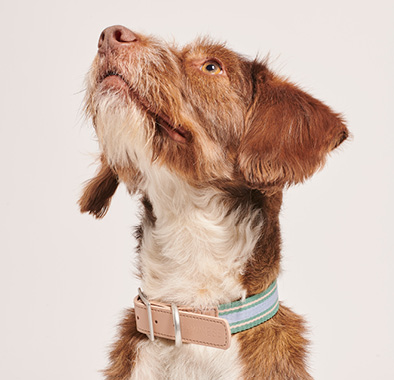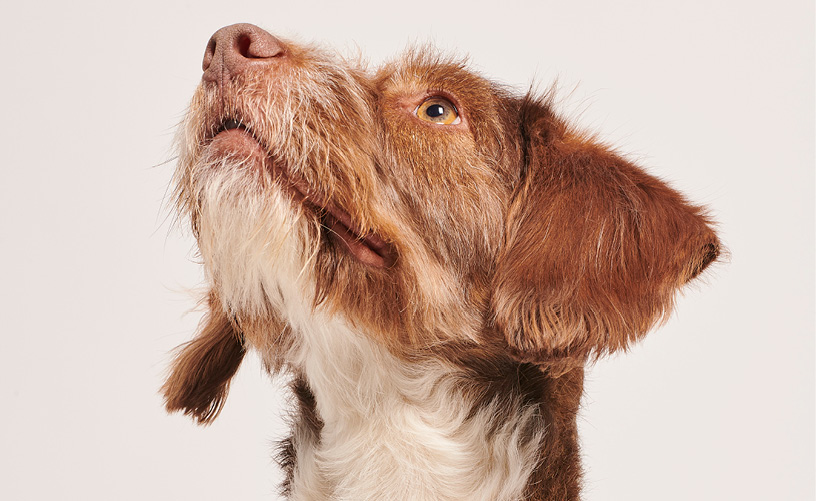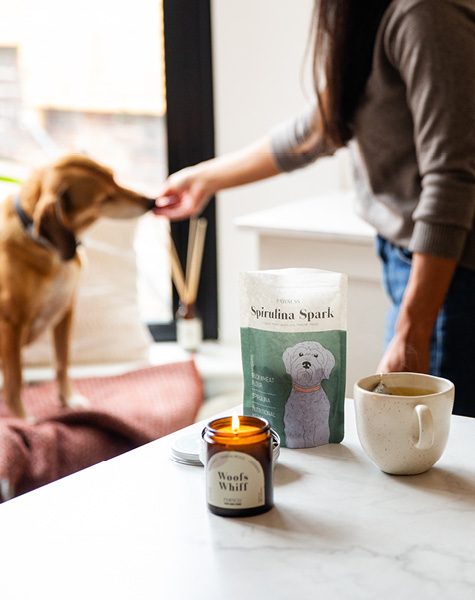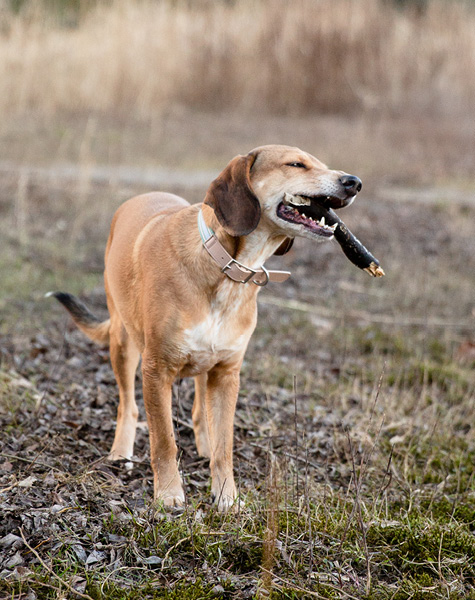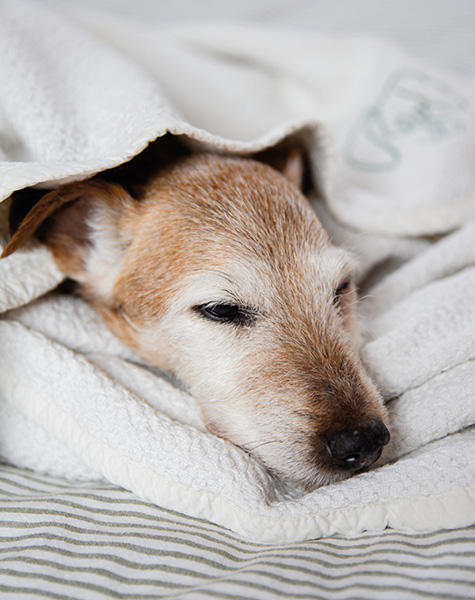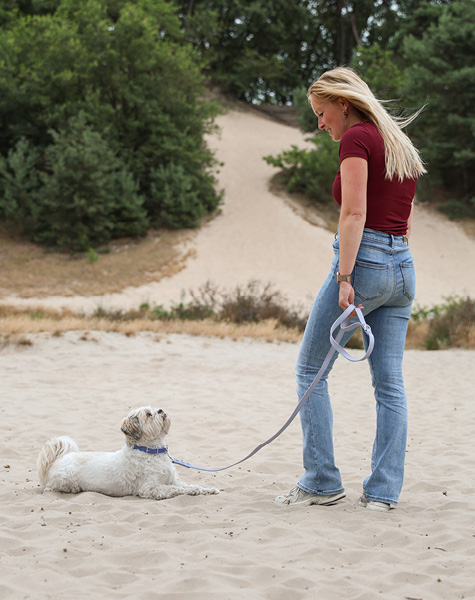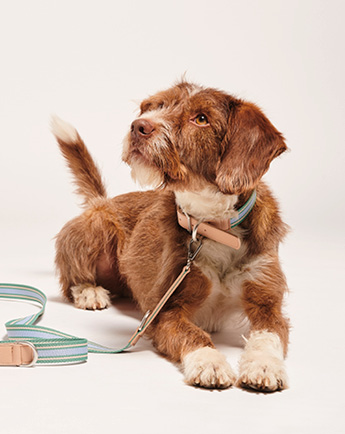
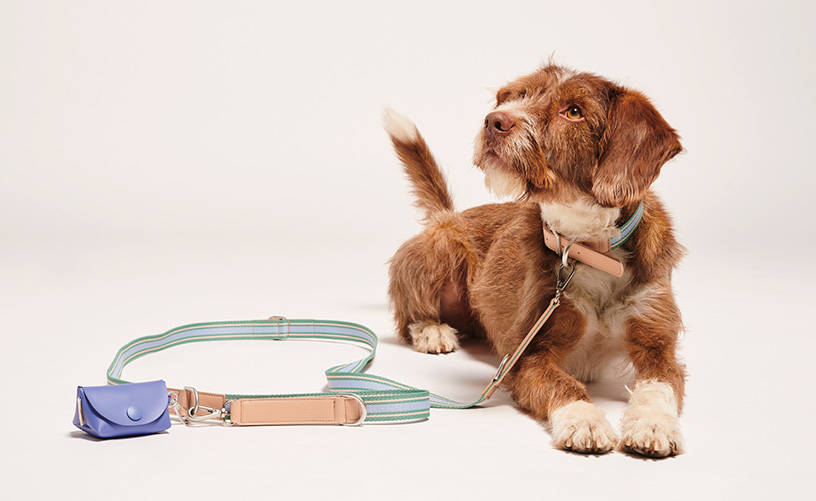
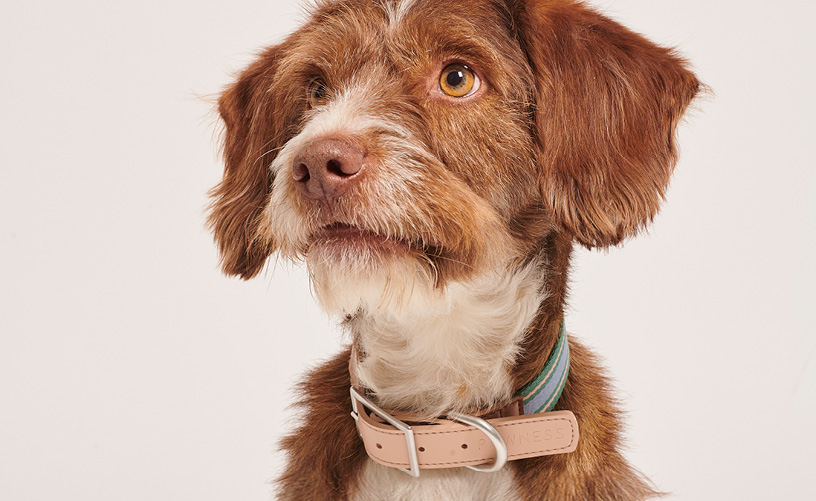
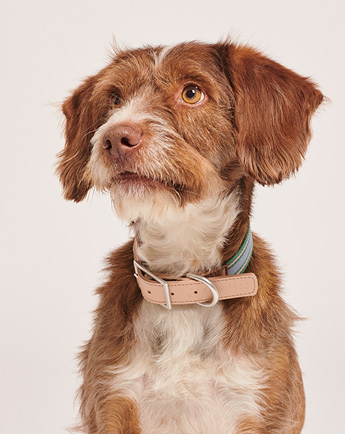
Adopting a dog – ok, I admit it, I am not very objective. And I also know that everyone is right when they say their dog is the best, regardless of breed, age, or origin. For a long time, I wanted to adopt a dog. But after I found Bo through HomelessDogs and gave him a home, I am convinced that he is actually the best! And of course, I love all dogs, all shapes and sizes. But Bo has taught me so much, partly because he is an adoptive dog from Portugal.
Why Adoption Is the Best Choice
One of the reasons I wanted to adopt a dog is, first of all, the issue of overpopulation: millions of dogs end up in shelters and rescue centers every year. Cats face this problem as well, but today we’re focusing on our most loyal friends.
Tragically, a large number of them are euthanized here. When I read stories like this, it breaks my heart. So adopting a dog is a good deed for the wider dog community.
Second, shelter animals tend to have a “backstory,” which I think is exactly what makes them so unique. Of course, that history often comes with a set of behavioral traits that might require a little retraining.
The Benefits of Adoption
But the following points are generally true, regardless of your new four-legged friend’s age or gender. Every dog deserves a second chance, and rescue dogs prove this time and time again.
1. It makes the (their) world more beautiful
When an adopted dog finds a new home, we make the world a better place and change the adopted pup’s life for the better. Both shelter dogs and other dogs may have a bad reputation, but in reality, they have unconditional love to give.
The future owner gets a friend for life! Dogs from shelters are often especially grateful for the love they receive. Their character is shaped by gratitude.
2. They are unique
Rescue dogs come in all shapes and sizes. Generally speaking, they aren’t purebreds but are mixed breeds. Whether it’s a small dog or a large one, every dog has its own personality.
It is precisely this that gives them their own unique physical characteristics. With Bo, too, it’s hard to tell which breeds are mixed in. Even the texture of his coat varies—smooth, soft ears and a rough-haired back.
New owners often discover surprising traits. Some shelter dogs turn out to be unexpectedly gentle with children, while others are protective.
3. They are healthier
Because rescue dogs are usually former strays, they come from a more diverse gene pool. They are less prone to certain breed-specific health issues.
That means fewer trips to the vet and lower bills (fingers crossed)! Of course, good care is always important, no matter where your pet comes from.
At the animal shelter, all animals are examined by a veterinarian. They’re usually already microchipped, dewormed, and treated for fleas before they go to their new homes.
4. They’re Not Picky
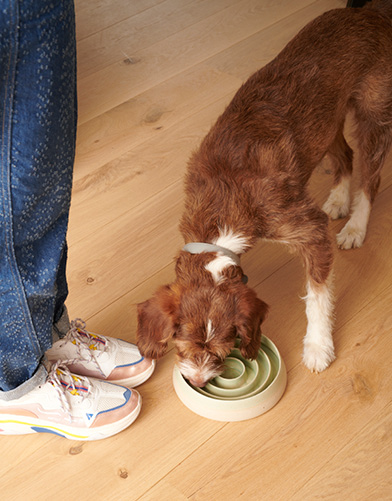
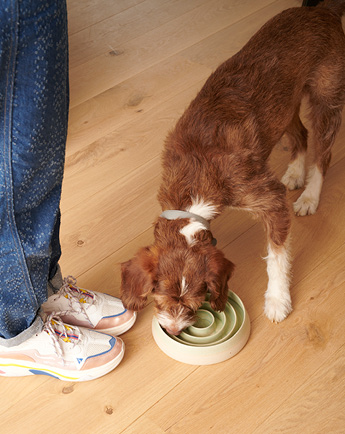
Speaking of food, rescue dogs generally aren’t picky eaters. Bo eats literally anything, just like many other dogs from the shelter.
But since he tends to lose weight easily, I make sure he gets a healthy and balanced diet. An older dog often has different needs than a young puppy.
By now, he’s so spoiled that he prefers fresh food above all else, but you won’t hear him complain about “dry” kibble either. You’ll quickly learn what your four-legged friend likes.
5. They have a “wise soul”
Most rescue dogs have been through a lot during their time on the streets. But that doesn’t mean they’ve lost their trust in people.
They still know how to give unconditional love without any resentment. Rescue dogs are sensitive souls and have an unerring sense of their puppy parents—this is what we also call “soulfulness.”
6. You can teach them a lot
A rescue dog may be a little behind when it comes to learning desirable behavior. You can train a puppy from a young age, so it doesn’t fall behind.
But rescue dogs can easily catch up. I’ve experienced this firsthand with Bo. At first, it might require more patience and perseverance.
But when you finally succeed, the rewards are just as great—or perhaps even greater. You get to know and understand each other better and build a strong bond.
It’s definitely recommended for adopted dogs to take a good basic obedience course or puppy training. That way, you can be sure your little rascal gets the right guidance, and you’re setting yourself up for guaranteed success.
7. They are affectionate
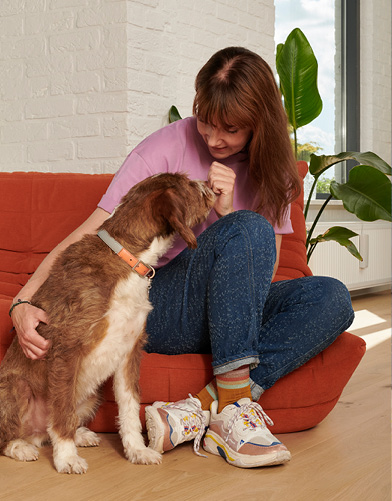
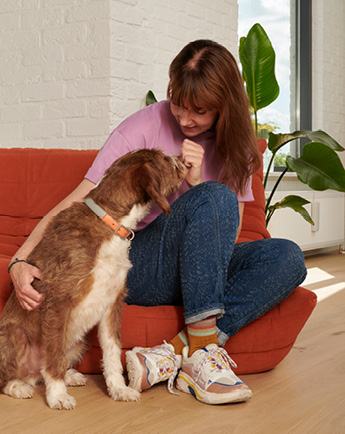
Would you leave behind someone who saved you? Exactly. Bo follows me pretty much everywhere I go, just like many other dogs who’ve been given a second chance.
He loves to cuddle like a lap dog, but he’s also tough enough to watch over me. Every dog has his own way of showing love.
In any case, I don’t have to worry about him running away—that’s for sure. This loyalty is typical of many shelter animals who have finally found their forever home.
8. They love you unconditionally
Now, this is 1,000 percent true. The love an adopted dog gives you is limitless. They are infinitely grateful to the pawrents who adopted them.
They’ll show that gratitude with endless kisses, hugs, and a wagging tail. Whether it’s a male or a female, the love is always genuine.
The Adoption Process
When you decide to adopt, it’s important to be well prepared. Get to know different animal shelters in your area and see which one is the best fit for you.
Animal care staff can help you find the right dog. They know each animal’s behavior and history and can assess which dog is a good fit for your situation.
Some shelters organize meet-and-greet sessions where potential owners can get to know their new pet. This helps you make the right choice.
Different Types of Shelter Dogs
At the shelter, you’ll find dogs of all ages—from young puppies to older dogs who’ve lost their homes due to circumstances. Each one has its own story.
An older dog can be a great choice for people who don’t have the energy for a playful puppy. They’re often already trained and have a calmer temperament.
Young dogs, on the other hand, bring a lot of energy and playfulness. They require more care but grow up with the family. Both options have their advantages.
Special Considerations for Different Groups
Some animals are sensitive to certain situations or require special care. Animal caretakers always inform new owners about any potential issues or needs.
The gender of your future pet can also play a role in your decision. A female often behaves differently than a male, although this varies from animal to animal.
Follow-Up Care and Support
Good animal shelters provide follow-up care to new owners. They remain available to answer questions and offer support during the adjustment period. This guidance is invaluable.
Updates on how adopted animals are doing give shelters hope. It shows that their work makes a difference in the lives of both animals and people.
The Reality of Rehoming
Unfortunately, adoption isn’t always successful. Rehoming may be necessary if the match isn’t a perfect fit. This isn’t a failure, but a learning experience.
Animal shelters understand this and help find a more suitable home. The most important thing is that every animal eventually finds the right home.
Sometimes there are unknown factors that only come to light later. Experienced animal caregivers can help resolve problems or find alternatives.
Practical Considerations
Before you adopt, think about practical matters. Can you stay home during the first few weeks? Do you have time for walks and training?
A small apartment isn’t necessarily a problem for a small dog, but a large dog needs more space. Also consider the costs of care and vet visits.
Some dogs are cautious in new situations. Patience is essential during the first few weeks. Let your new four-legged friend adjust at their own pace.
Bo’s Story and Pawness
Bo taught me that adopting is the best choice you can make. His story inspired me to found Pawness, where we make sustainable dog products.
If you’d like to adopt a dog yourself, check out the HomelessDogs or Perro & CO websites. I also adopted Bo through the HomelessDogs foundation, and for that, I’m eternally grateful to them.
Because we at Pawness believe that more dogs like Bo deserve a good life, we donate 10% of our profits to a worthy dog charity through Pawness Charity.
Adopting isn’t just about getting a pet—it’s about gaining a lifelong companion who will love you unconditionally. Give a shelter dog the chance it deserves—you won’t regret it.
I’m Denise, the founder of Pawness. The company was born out of my love for my dog, Bo, and my search for fair, beautiful products for dogs. I believe that every choice matters: for your dog, for the planet, and for the people behind the products. Through these blogs, I help puppy parents make more conscious choices—without making it complicated.