You’ve finally made the decision: a dog is coming into your life. While it’s incredibly exciting to welcome a new pup into your home, it can also feel a little overwhelming at first – especially for new dog parents. Where do you even start when it comes to dogs as a beginner? What should you look out for? There’s a lot to think about, and of course you want life with your first dog to go as smoothly and easily as possible. To help you and your furry friend get off to a flying start, we’ve gathered everything you need to know in one place.
Table of Contents: Dogs for Beginners
- What you should consider
- Een hond is voor het leven
- Dogs for beginners: a dog is for life
- A dog can be expensive
- Find a good vet for your dog
- Create a safe home for your dog
- Dogs for beginners: house training matters
- Socialisation is key
- Your pup needs regular grooming
- Don’t forget the teeth
- Be sure about your decision
The benefits of having a dog
- A dog helps you stay active
- Meet new people
- Dogs are good for your blood pressure
- You’re never alone
- Dogs teach us valuable life skills
The downsides of having a dog
- A dog costs (a lot of) money
- Food for your dog
- Vet costs
- Coat care
- Your dog can’t be alone all day
- A puppy takes a lot of time
- Your dog lives in the house
- Dogs for beginners: a dog is for life, not just for now
Dogs for first-time owners: These 10 breeds are a great fit
- Bichon Frise
- Maltezer
- Cavalier King Charles Spaniel
- Golden retriever
- Greyhounds
- Labrador retriever
- Papillon
- Poedel
- Boxer
- Shetland sheepdog
What you should consider
Dogs are wonderful company and endlessly grateful creatures, but having a dog in your life can also be expensive and time‑consuming. Are you ready to take on the responsibility and commit to this unconditional bond? Read on to discover what you really need to know before bringing a dog into your home.

1. Dogs for beginners: a dog is for life
When you welcome a dog into your life, you’re making a lifelong commitment. Your pup will develop a strong, deep bond with you and your family. Having to change owners can be extremely traumatic for a dog. That’s why you must be prepared for all the responsibilities that come with dog ownership. As a dog parent, you need to provide shelter, food, water, medical care, love, and attention.
2. A dog can be expensive
Owning a dog is also a significant financial commitment. On average, the basic care for one dog – including food, supplies, and routine healthcare – will cost around €500–€1000 per year. For medical costs, you can take out pet insurance for your dog. Make sure you’re well informed in advance about which costs are covered and what your own contribution will be.
3. Make sure you have all the dog essentials
Make sure you have all the basic supplies ready before you bring your new puppy home. Want to know exactly what you need to properly welcome your pup? Then read this blog.
4. Find a good vet for your dog
Look for a good vet before your dog arrives. You can use Google to find nearby vets and read about other dog parents’ experiences.
5. Create a safe home for your dog
Dog‑proof your home. Make sure anything that could be toxic or dangerous to your dog is kept well out of reach. The most important things to watch out for are poisonous plants, plastic bags, and chemical cleaning products.
6. Dogs for beginners: house training matters
Your new housemate needs house training, because they don’t automatically know that the garden – and not your living room – is the right place to go to the toilet. It’s your responsibility to train your dog. This takes time, lots of patience, and a consistent, committed approach.
7. Socialisation is key
Start socialising your dog early. Exposing your pup to different people and environments – not to mention other dogs – will help them become more stable, happy, and confident. Make sure you continue to socialise your dog beyond the puppy stage. Good socialisation reduces the chance that your dog will become fearful or aggressive towards other people and animals.
8. Your pup needs regular grooming
Take good care of your dog’s coat and make grooming a regular part of your daily routine together. Start with shorter sessions and gradually build up to a full grooming session. Make sure the person who’s grooming your dog pets and reassures them regularly, and always finish with a reward.
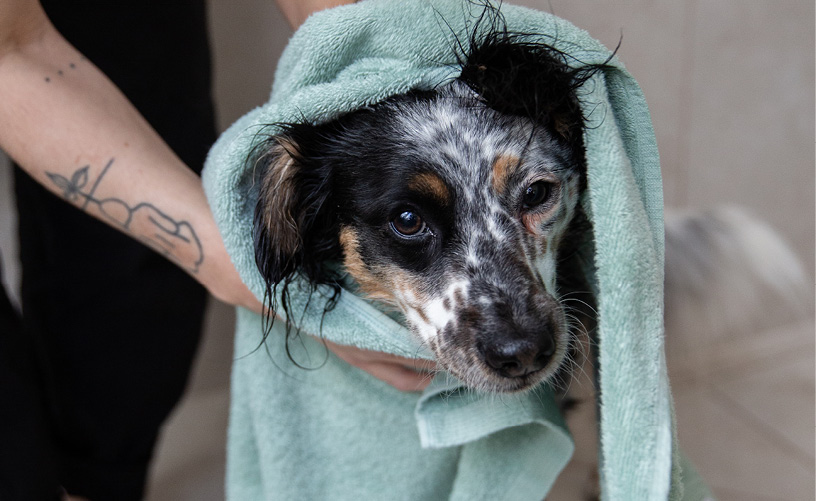
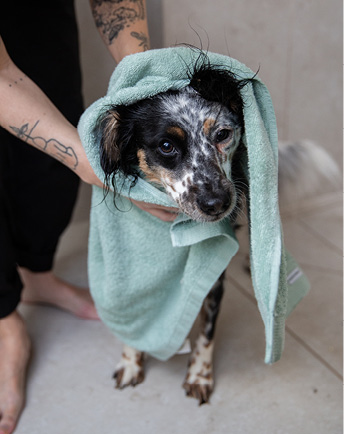
Your dog’s nails shouldn’t touch the ground, and you should brush their coat regularly. This helps prevent tangles and reduces the risk of skin irritation.
9. Don’t forget the teeth
Brush your dog’s teeth to help prevent dental problems. Brushing three to five times a week is recommended, and your vet can show you how to do it and advise you on a suitable toothbrush and toothpaste.
10. Be sure about your decision
Most importantly, make sure that getting a dog is the right decision for you, your family, and your lifestyle – not just now, but in 10, 12, or even 15 years.
The benefits of having a dog
It’s no secret that dogs are a human’s best friend. Their adorable faces and carefree outlook on life bring us so much joy, but did you know there are many proven benefits to having a dog? Keep reading to discover the advantages of sharing your life with a four‑legged friend.
A dog helps you stay active
One of the biggest benefits of having a dog is how much more you’ll move – often without even noticing it! It can be hard to motivate yourself to go for a walk on your own, but we rarely overthink it when our pup needs exercise. All those walks in the park and forest adventures add up. Even playing games with your dog counts as physical activity. We’re pretty sure that after a good game of fetch, you’ll be more tired than your dog.
Meet new people
One of the more surprising benefits of having a dog is how much they can boost your social life. Going to training classes, saying hello to other dog walkers at the park – trust us, your puppy will make you more social. A new pup gets you out of the house, trying things you’ve never done before, and introducing you to new experiences. Whether you’re visiting a different pet shop or exploring a new area to keep your daily walks interesting, you’ll constantly be meeting new people. When you walk alone, you’re less likely to start a conversation with a stranger – but we all know a puppy is the perfect icebreaker.
Dogs are good for your blood pressure
One of the most fascinating benefits of having a dog is their incredible ability to help you feel calm – and that can do wonders for your health. According to Harvard University, studies show that dog owners tend to have lower blood pressure, both because they’re more active and because simply petting a dog can lower blood pressure. You might be surprised at how much your blood pressure affects your overall wellbeing, so next time you’re feeling stressed or need a moment to unwind, give your pup some extra love – you’ll both benefit.
You’re never alone
One of the most striking benefits of owning a dog is that it’s almost impossible to feel lonely when your dog is by your side – and with good reason. Most dogs are very social and love company, whether it’s people or other dogs. When your pup greets you enthusiastically after a day at work or can’t wait to head out for a walk together, you know you’ve always got a friend by your side.
Dogs teach us valuable life skills
Dog owners know that training takes time, effort, and patience – all skills that are useful in other parts of life too. But that’s not all a dog can teach you. From enjoying the outdoors to appreciating the little things, your dog is a wonderful role model for happiness. Dogs and children are also a great match because they can teach each other a lot about responsibility. Have kids at home? Try giving your child responsibility for a specific part of your dog’s routine – like feeding in the evening or brushing their coat at night. These are valuable life lessons and a great way to strengthen the bond between your child and your dog.
The downsides of having a dog
As lovely as dogs are – and as much as we wish everyone could experience this kind of happiness – it’s just as important to be honest about the downsides. We actually prefer to think of them as “things to keep in mind.” After all, you’re bringing a living being into your home who needs your time and care. That’s why it’s so important to think everything through before you decide to get a dog. To give you a clear picture of what to expect, we’ve listed the main “downsides” so you can make a well‑informed decision.
A dog costs (a lot of) money
First, you’ll pay the breeder if you choose a pedigree dog, or you’ll pay an adoption fee if you adopt from a shelter or rescue. Once your pup is home, they’ll need all the basic supplies – ideally bought in advance, so everything is ready when they arrive. These are one‑off costs, but you’ll also have ongoing monthly expenses, such as:
Food for your dog
It’s important to provide a balanced, nutritious diet for your dog. High‑quality food is more expensive than big commercial brands. Still, by investing in good nutrition, you can significantly reduce vet bills in the long run because your dog will be healthier and happier. Want to learn more about healthy, natural food? Then read the blog.
Vet costs
If you feed your dog the right food and only go for vaccinations and treatments recommended by your vet, your veterinary costs will likely stay relatively low. On the other hand, if you choose a breed with higher health risks or your dog comes from an irresponsible breeder, your vet bills are likely to be much higher.
Coat care
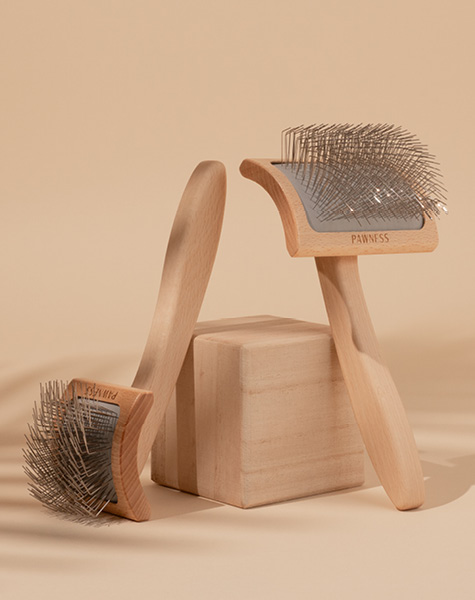
If you choose a breed that needs regular trimming, you can technically do this yourself. However, it’s usually best to have it done by a professional groomer so you know it’s being done properly. Day‑to‑day coat care is easy enough to manage at home, as long as you have the right tools for your dog’s skin and coat type.
Your dog can’t be alone all day
It’s really not advisable to get a dog if you’re out of the house all day. Dogs are social animals and need company. Of course, you can train your dog to be alone for a few hours at a time – that’s no problem, and it gives them time to sleep and rest. But if you work full‑time, it isn’t fair to leave your dog home alone all day. Thankfully, there are options like doggy day care, where you can drop your dog off in the morning so they can play with other dogs all day, then pick them up in the evening. Another alternative is a dog‑walking service, where someone comes by around midday to take your dog for a walk or to a play area. Both options are great for your dog, but keep in mind that they can be quite expensive.
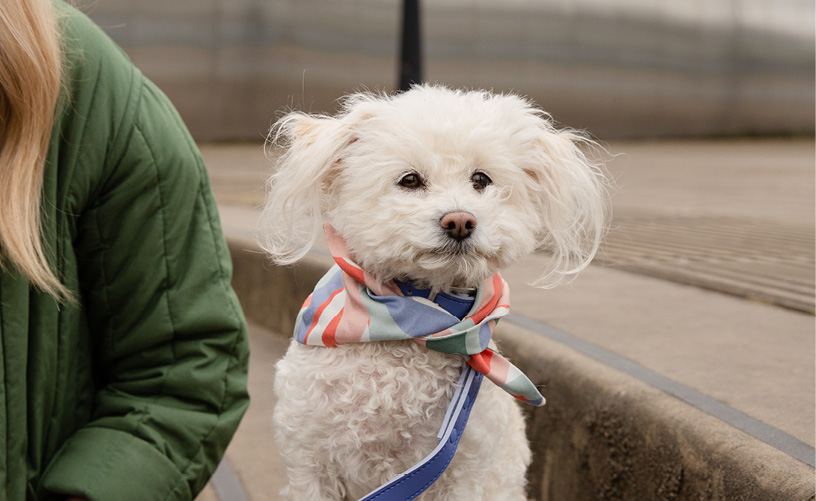

Make your little one comfortable with our Home Kit
A puppy takes a lot of time
Even if you don’t work full‑time, your lifestyle might not leave enough free time for a dog. Maybe you’re busy with kids, out a lot visiting friends, travelling frequently, or involved in hobbies that take up many hours. If you already have a hectic life on top of your job, think carefully about whether a dog really fits in. In addition to your own life, your dog will also need plenty of attention.
This is especially true if you get a puppy. In the beginning, you’ll spend a lot of time training your pup. Everything is new, and they have to learn what’s expected of them. This takes time, effort, and patience. Your little friend also needs to go outside regularly. How often – and how long – depends on the breed and energy level. Some breeds are fine with a short walk, while others need at least an hour of running, playing, and walking each day. Daily tasks like feeding and grooming also take time, and the amount of care required depends on the breed.
Your dog lives in the house
Every dog should live indoors with you. Dogs are social animals who belong with their family. When you’re inside, your dog should be inside too. If your dog spends their days or nights outside, they’re living apart from the family and will never really be part of everyday family life. They’ll get bored, feel lonely, and are more likely to bother the neighbours with barking.
Dogs for beginners: a dog is for life, not just for now
You must be willing and able to make adjustments in your life to put your dog’s needs first. You also need to be ready to commit to 10 to 15 years of responsibility for another living being’s life and happiness.
If you have a child, you already understand this level of commitment – loving, giving, teaching, sharing, enjoying, disciplining, worrying, laughing, crying, and eventually letting go.
But there’s one big difference. With a child, your relationship changes as they grow. They gradually become more independent, and you slowly let go. Your dog, on the other hand, will see you as their entire world for their whole (short) life, and when the time comes to say goodbye, it’s often sudden and always final. This is perhaps the hardest part – and the greatest responsibility – of having a dog. There will come a time when you lose them, and your heart will break.
Dogs for beginners
There really are dogs that are better suited to beginners. Some breeds are simply easier than others. If you’ve never had a dog before and want to start with a beginner‑friendly breed, it’s a good idea to research different breeds and the pros and cons of each. Beginner‑friendly dogs tend to be easier to train and adapt more quickly to family life. To give you a clear idea of which breeds might be a good match, we’ve put together a list of 10 great dogs for first‑time owners.
Dogs for first-time owners: These 10 breeds are a great fit
1. Bichon Frise
Bichons are a very popular breed for both experienced and first‑time dog parents. It’s no surprise: they have an easy‑going temperament and make wonderful housemates. The Bichon Frise is low‑maintenance – they mainly need regular grooming and a daily walk – but they do need lots of cuddles and affection.
2. Maltese
The Maltese was bred as a companion dog and is a fantastic addition to many families. Although these little dogs can be a bit feisty and are less suited to toddlers, they adore older children. A Maltese is happy with short walks outside and playtime in your home.
3. Cavalier King Charles Spaniel
Looking for a smaller breed? Cavaliers are adorable little couch companions who are always ready to relax with you. They’re great for first‑time dog parents because they’re relatively laid‑back, though they do need regular grooming. Their long coat needs to be well cared for and brushed. Cavaliers are exceptionally sweet and love to be with their people, wherever you go.
4. Golden Retriever
Goldens are one of the most popular breeds in the world – and for good reason. They’re fantastic family dogs: relatively low‑maintenance, friendly with both children and adults, and equally happy to snuggle on the sofa or join in on family adventures. Golden Retrievers have wonderful temperaments and are easy to train, making them an excellent choice for first‑time owners.
5. Greyhound
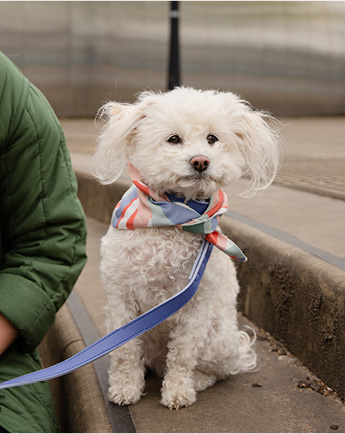
Another larger breed, Greyhounds are actually much more likely to steal your spot on the sofa than you might think. They’re incredibly gentle dogs who love to sleep. Of course, they still need regular exercise – and if you enjoy running, they can be the perfect partner – but overall, Greyhounds are surprisingly low‑maintenance, even when it comes to activity.
6. Labrador retriever
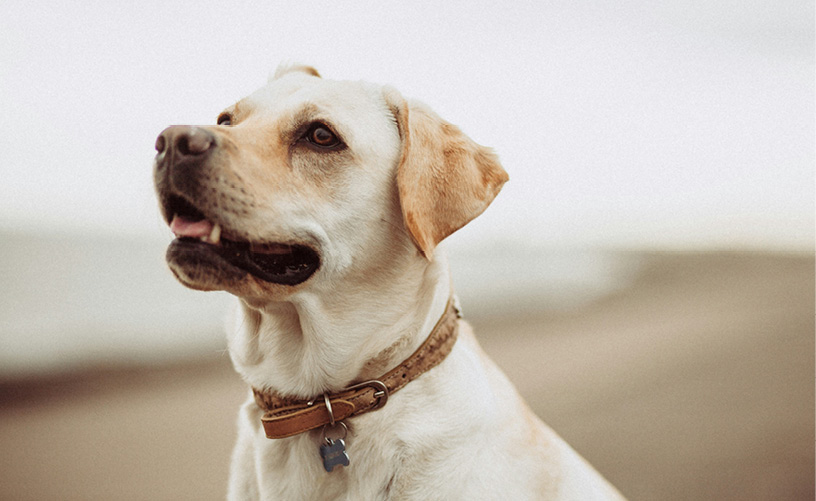
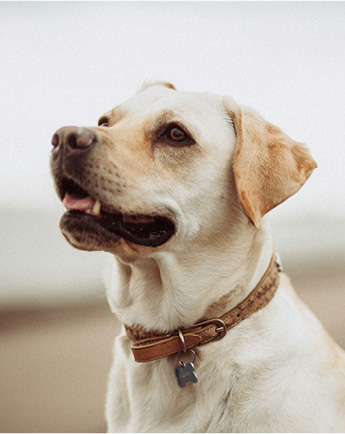
Like their Golden Retriever cousins, Labradors are excellent family dogs. They’re very easy to train but generally need a bit more exercise than Goldens. Labs are highly social and love being around their people. They’re great dogs to take almost anywhere – whether they’re lounging with you on a café terrace, watching the kids at their sports practice, or keeping you company on your 5K training run.
7. Papillon
These adorable little dogs are perfect for anyone looking for an easy‑going, low‑maintenance companion. They have fantastic temperaments and love being close to their people. Despite their small size, they’re very playful and active – don’t be surprised if your Papillon really shines on the agility course. Overall, these little dogs have big personalities and are a great choice for first‑time dog parents.
8. Poedel
Whatever the size – Toy, Miniature, or Standard – Poodles are wonderful dogs for first‑time owners. They have amazing characters and are probably one of the easiest breeds to train. They love being with their people and make excellent training partners and cuddle buddies. Although they do need regular grooming, Poodles are among the few breeds that shed very little.
9. Boxer
If you’re looking for a medium‑to‑large energetic dog, look no further than the playful Boxer. This loyal breed forms a very close bond with the family. If you lead a reasonably active lifestyle, a Boxer could be perfect for you. They need plenty of exercise and solid basic training. While young Boxers can be a bit hyperactive, they’re not difficult to train. Once trained and well socialised, Boxers thrive in active households and often get along very well with children.
10. Shetland Sheepdog
Although their coat might look a bit intimidating to first‑time owners, Shelties are actually quite easy to care for. They do need regular grooming, but they make wonderful companions for almost anyone. Shetland Sheepdogs are small dogs with big personalities and often excel in dog sports such as agility, flyball, and obedience.
Iheartdogs.com
Readers Digest
www.yourpurebredpuppy.com
I’m Denise, the founder of Pawness. The company was born out of my love for my dog, Bo, and my search for fair, beautiful products for dogs. I believe that every choice matters: for your dog, for the planet, and for the people behind the products. Through these blogs, I help puppy parents make more conscious choices—without making it complicated.