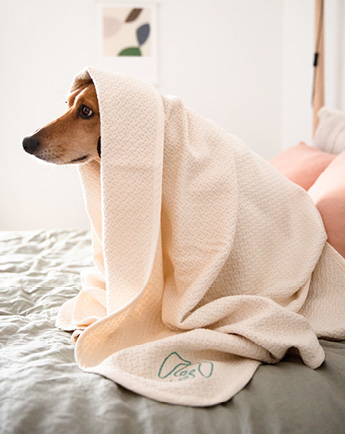
Bringing a new puppy home is a joy. But alongside all the cuddles, walks, and playtime, there’s one question almost every dog parent asks: how long does a dog actually sleep? Dogs sleep much more than we do. Sleep is essential for their health, behaviour, and happiness. In this in‑depth guide, you’ll learn everything about canine sleep, how much sleep dogs need at each age, how to create the perfect sleeping spot, and get practical tips for the best possible night’s rest for your four‑legged friend.
How long does a dog sleep per day on average?
The answer to “how long does a dog sleep?” varies per dog, breed, and age. On average, dogs sleep between 12 and 18 hours a day. Puppies sleep the most: sometimes up to 20 hours! Adult dogs usually sleep 12 to 14 hours, and senior dogs often sleep 16 to 18 hours in a 24-hour period. That may sound like a lot, but it’s completely normal. Sleep helps dogs recover, grow, and relax.
Why do dogs need so much sleep?
Dogs don’t sleep just to rest; they also sleep to process impressions. During sleep, their muscles, bones, and immune system recover. Puppies in particular need a lot of sleep for growth and development. Adult and senior dogs use sleep to stay fit and to process the day’s stimuli. Too little sleep can lead to behavioural issues, overstimulation, and even health problems.
How much sleep does a dog need at each life stage?
- Puppies: 16–22 hours per day. They take many short naps and sleep deeply, especially after playing or eating.
- Adult dogs: 12–14 hours per day, spread over the night and a few naps during the day.
- Senior dogs: 16–18 hours per day. They rest more often and sleep more deeply because their bodies need extra time to recover.
Keep in mind: some breeds sleep more than others. Large breeds and highly active dogs often need more sleep. Lifestyle also matters: plenty of exercise and mental stimulation both influence how your dog sleeps.
Dogs sleep differently than humans
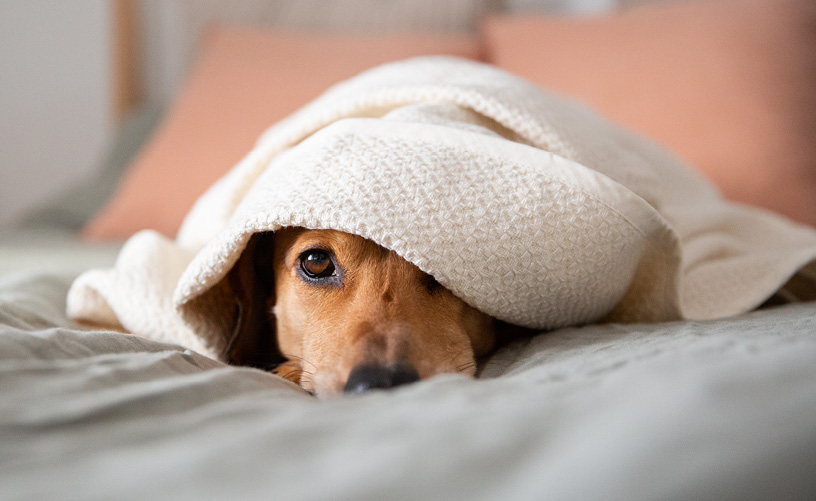
Dogs sleep in short cycles. While humans generally sleep 7 to 9 hours in one stretch, dogs spread their sleep throughout the day and night. This is called polyphasic sleep. REM sleep (the phase in which dogs dream) is shorter in dogs than in humans: about 10% of their total sleep time, compared to around 25% in people. This means dogs often sleep more lightly and wake up more quickly from sounds or movement. That’s why they seek out a safe, quiet place to sleep.
Sleep behaviour: how to recognise a dog that sleeps well
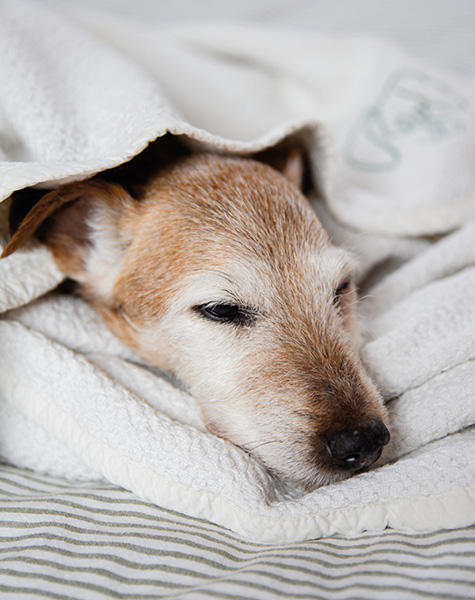
A dog that sleeps well lies relaxed, stretched out or curled up on a soft surface such as a thick cushion or favourite bed. During deep sleep, you may see small muscle twitches or hear soft noises – yes, dogs really do dream! A dog that wakes up refreshed, is active during the day, and shows no signs of fatigue or irritability is usually getting enough sleep. If your dog is restless at night or often tired during the day, there may be an issue with their sleeping spot, routine, or health.
How much does a dog sleep during the day? The importance of naps
Dogs don’t just sleep at night; they also sleep during the day. Puppies and senior dogs especially spend a large part of the day sleeping. Many dogs nap after a walk, intense play, or mental stimulation. This helps them process stimuli and recharge their energy. Some dogs take several short naps throughout the day, depending on their needs and activity level.
Young puppies sleep a lot during the day. They can suddenly nod off right after playing. Adult dogs also regularly seek out a quiet spot to rest. A good balance between activity and rest is crucial: too little sleep can lead to overstimulation, while too much sleep can sometimes indicate underlying health problems.
Is your dog suddenly sleeping more? When it’s normal and when it’s not
It’s quite common for a dog to suddenly sleep more than usual. This can have various causes, such as a growth spurt in puppies, recovery after a busy day, cold weather, or ageing. In these phases, it’s normal for your dog to need extra rest.
However, stay alert: if your dog suddenly sleeps excessively, seems lethargic, eats poorly, or barely responds, this may point to underlying health issues such as anaemia, infections, or pain. When in doubt, always contact your vet. This is especially important for young dogs with low energy levels when awake.
Dogs dream: what happens while they sleep?
Yes, dogs really do dream! During REM sleep, you might see their paws twitch, whiskers move, or hear soft sounds. In this phase, dogs process impressions from the day. Scientists suspect that dogs relive everyday situations in their dreams, such as playing, running, or snuggling up with their human. Dreaming is a sign that your dog feels safe and is sleeping deeply.
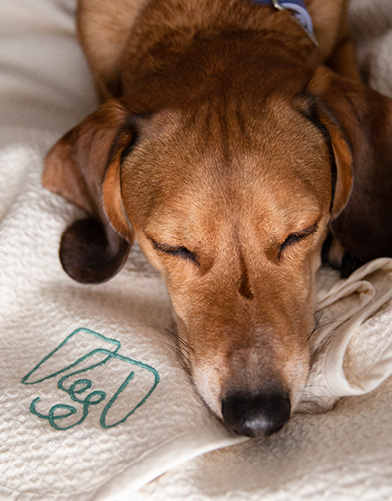
Does your dog sleep through the night? Practical tips for a good night’s rest
Not every dog sleeps through the night without waking up. Puppies and young dogs in particular wake more often, may need to go outside to pee, or feel restless because everything is still new. Older dogs may also wake more frequently at night due to physical discomfort or a changing sleep pattern.
A consistent routine, enough exercise during the day, and a safe, comfortable sleeping spot all help your dog sleep better at night. Be patient: it can take time for your dog to adapt fully to a new rhythm. Stay consistent, provide structure, and create calm before bedtime.
The best sleeping spot: bed, crate, or sharing your bed?
The ideal sleeping spot for your dog is safe, quiet, and comfortable. Many dogs enjoy sleeping in their own bed, crate, or on a thick cushion. Some love curling up in your bed, while others prefer a calm place of their own. As long as your dog rests well and feels safe, any place can work.
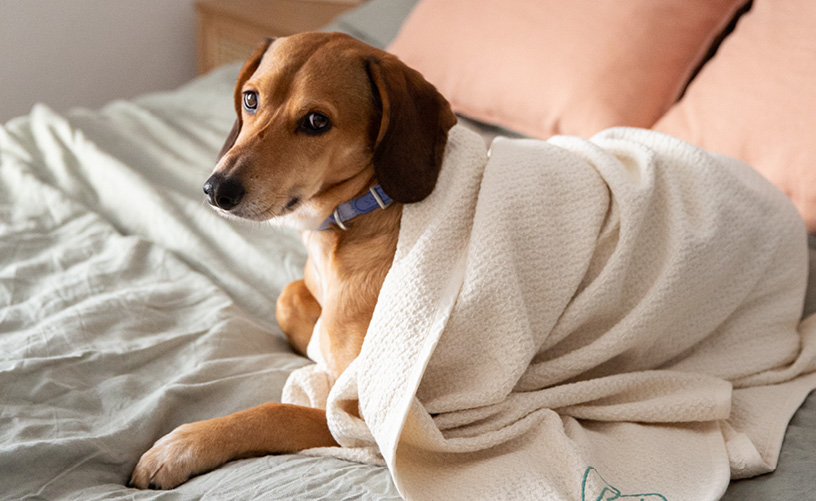
Keep in mind: a bare floor is often too hard, while a soft surface helps prevent pressure points and supports relaxation. For dogs that like to sleep close to you, an extra‑large cushion with a cosy blanket or a comfortable spot in your bedroom can be the perfect solution. Experiment with different locations and watch where your dog chooses to sleep.
How much sleep does a dog really need? Differences by breed and size
Sleep needs vary per dog. Large breeds usually sleep longer than small breeds. Active working or sport dogs often need more sleep to recover from exercise, while companion dogs sometimes manage with fewer hours. Some breeds sleep up to 18 hours a day, while others do fine with around 12 hours.
Age also plays a big role: puppies sleep the most, followed by senior dogs, with adults in between. Always pay attention to signals: a dog that regularly withdraws for a nap is simply seeking the rest they need. Give your dog the freedom to follow their own sleep rhythm.
Sleep habits and behaviour: social sleepers and individual preferences
Dogs are social sleepers. In nature, they often sleep close together for warmth and safety. At home, some dogs like to sleep near you or other pets, while others prefer a more private spot. Observe your dog’s sleep behaviour: does your dog like to curl up next to you, or does he or she seek out a quiet place on his or her own?
Adjust the sleeping area to your dog’s preferences. Some dogs love sharing a sleeping space with their human, others rest better on their own. A good night’s sleep supports balance, calm, and fewer behavioural problems.
Sleep problems in dogs: when to pay attention
Does your dog sleep poorly, seem restless, or bark excessively at night? This may point to stress, overstimulation, a busy environment, or underlying health issues. Watch for signs such as frequent waking, whining, panting, or pacing around.
Check the environment: is the sleeping spot quiet, dark, and comfortable? A surface that’s too hard, too much noise, or too much light can all disturb sleep. Sometimes it helps to move the bed to a calmer spot in the house. If your dog continues to sleep poorly, consult a vet or behaviourist to rule out underlying causes.
The impact of food, exercise, and mental stimulation on sleep
It’s not just the sleeping spot that matters – food, exercise, and mental stimulation all influence how your dog sleeps. Dogs that get enough exercise during the day usually sleep better at night. Aim for a healthy balance between physical activity (walks, play) and mental enrichment (puzzle toys, sniffing games).
Avoid a very heavy meal right before bedtime, but don’t let your dog go to bed on an empty stomach either. A small drink before sleeping is fine, but try to avoid excessive drinking just before night‑time to reduce late‑night bathroom breaks.
Practical tips for a good sleeping spot and night’s rest
- Quiet location: Choose a safe, calm spot away from busy walkways.
- Comfortable surface: Use a thick cushion, cosy blanket, or soft bed.
- Consistent routine: Stick to regular times for going to bed and getting up.
- Exercise: Provide plenty of physical and mental stimulation during the day.
- Hydration: Let your dog have a last drink and bathroom break before bedtime.
- Soft lighting: Dim the lights and reduce noise in the house.
- Patience: Especially with puppies, it takes time for their sleep patterns to stabilise.
- Good ventilation: Make sure there is fresh air in the sleeping area
- Avoid loud noises: Turn the radio or TV down at night.
- Darkness: Use curtains to block outside light.
Frequently asked questions about how long a dog sleeps
How much does a dog sleep per night?
On average, an adult dog sleeps about 8 to 9 hours at night, often supplemented with naps during the day. Puppies may sleep less at night because they wake more often to go outside or are still adjusting to a new routine. Senior dogs often sleep longer and spread their sleep across day and night.
How do I know if my dog is getting enough sleep?
Watch your dog’s behaviour. A dog that wakes up refreshed, is active during the day, and doesn’t show signs of fatigue or irritability is usually getting enough sleep. If your dog sleeps a lot during the day, withdraws frequently, or seems listless, there may be overtiredness or an underlying issue.
What if my dog doesn’t get enough sleep?
Too little sleep can lead to behavioural problems, overstimulation, lowered immunity, and even physical complaints. Dogs that don’t sleep well may become more irritable, bark more, or show unwanted behaviour. Always make sure your dog has a calm, comfortable sleeping spot and enough downtime.
Can dogs suffer from sleep disorders?
Yes, dogs can experience sleep disorders just like humans. Symptoms include frequent waking, restlessness, excessive barking or whining at night. If sleep issues persist, it’s wise to consult a vet or behaviourist.
Can my dog sleep in my bed?
Absolutely – as long as both you and your dog are comfortable with it. Many dogs love sleeping close to their humans and feel extra safe that way. However, some dogs sleep more soundly in their own bed or crate. The most important thing is that everyone sleeps well and wakes up rested.
The influence of seasons, age, and health on sleep
Sleep in winter and summer
In winter, dogs often sleep more because it’s colder and darker. In summer, they may sleep more restlessly due to heat or increased external stimuli. Always ensure a well‑ventilated, comfortable sleeping spot that’s adapted to the season.
Sleep in senior dogs
Older dogs sleep more often and more deeply. They need extra rest to recover and may develop age‑related issues such as arthritis, making a soft surface even more important. Observe their behaviour and adjust the sleeping area if you notice your dog struggling to lie down or get up.
Sleep and health
Health has a major impact on sleep. Dogs with pain, itching, or underlying conditions often sleep worse. Watch for signs such as frequent scratching, licking, whining, or limping. If you’re unsure, always contact your vet.
The role of mental stimulation and relaxation in dog sleep
Mental stimulation is just as important as physical exercise for good sleep. Dogs that spend the day solving puzzles, using their nose, or learning new cues sleep more deeply and soundly. Aim for balance: too many stimuli can cause restlessness, while too little challenge can lead to boredom and pent‑up energy.
Relaxation is essential for a good night’s rest. Create a consistent evening routine: a few cuddles, a calm walk, dimmed lights, and relaxing together on the sofa. This helps your dog understand it’s time to wind down and go to sleep.
Changing sleep habits: where to start
Want to improve your dog’s sleep? Start small. Adjust the sleeping spot, introduce a regular routine, and ensure plenty of exercise and mental stimulation during the day. Be patient – it can take time for your dog to get used to new habits. Reward calm behaviour and give your dog space to adapt to changes.
Checklist: how to give your dog the best night’s sleep
- Choose a quiet, safe sleeping spot.
- Use a comfortable bed, thick cushion, or soft basket.
- Stick to regular sleeping times and an evening routine.
- Provide enough exercise and mental stimulation during the day.
- Let your dog have a final pee and drink before bedtime.
- Dim the lights and reduce household noise.
- Ensure good ventilation and a pleasant temperature.
- Observe your dog’s behaviour and adjust the routine when needed.
- Consult a vet if sleep problems persist.
Conclusion: How long does a dog sleep – and why is it so important?
Sleep is just as important for dogs as it is for humans. Whether you have a puppy, an adult dog, or a senior, how long a dog sleeps depends on age, breed, health, and activity level. By providing a comfortable sleeping spot, enough rest, and a healthy balance between activity and relaxation, you give your dog the best chance at a healthy, happy life.
Remember: every dog is unique. Watch their behaviour, listen to their signals, and tailor the routine to what your dog needs. That way, you’ll both enjoy a well‑rested, happy four‑legged friend – day after day.
Even adult dogs sleep more than we do. This is mainly because your dog’s REM sleep is shorter than yours. In humans, REM sleep makes up about 25% of total sleep time; in dogs, it’s only around 10%. This means your dog sleeps in shorter bursts, quickly drops into deep sleep, and wakes easily. That’s also why your dog sleeps more overall throughout the day.
An adult dog sleeps between 12 and 14 hours a day, while a senior dog usually sleeps around 16 to 18 hours a day.
Why do puppies sleep so much?
It might surprise you, but while your puppy is sleeping, their body is working hard. The development of the brain and central nervous system depends on all those naps. At the same time, muscles and bones are being strengthened. Your little four‑legged friend needs this to grow into an active, healthy adult dog. Sleep also helps keep the immune system in balance. If your puppy doesn’t get enough sleep, they may become grumpy and destructive, and they’re at higher risk of infections and illness.
Bron artikel “Hoeveel slaapt een hond”: Dr. Laci Schaible
Auteur: Denise Crombag
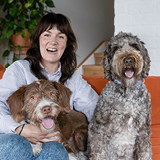
I’m Denise, the founder of Pawness. The company was born out of my love for my dog, Bo, and my search for fair, beautiful products for dogs. I believe that every choice matters: for your dog, for the planet, and for the people behind the products. Through these blogs, I help puppy parents make more conscious choices—without making it complicated.