Your dog eats from a food bowl, drinks from a water bowl, and then happily continues with being a dog. But what’s left behind in those bowls (leftovers, saliva, crumbs) can become a mini party for bacteria. Not very pleasant — but very easy to prevent. In this guide, you’ll discover how often to clean your dog’s bowl, why a dirty water bowl causes trouble more quickly, and how a simple routine keeps hygiene on track. No hassle, just practical tips.
How often to clean your dog’s bowl: the simple guideline
If you ask us, daily cleaning is best. Especially for the food bowl. Ideally, you also give the water bowl a quick clean every day.
No stress if that doesn’t always happen: in that case, make sure to clean everything thoroughly at least once a week. But the more often you rinse and wash quickly, the smaller the chance of bacterial growth.
Handy schedule:
Food bowl: rinse and wash briefly after every meal.
Water bowl: empty, rinse, and refill with clean water every day.
Extra thorough: once a week (or more often with wet food or multiple pets).
Why a dirty water bowl becomes a breeding ground faster
A dirty water bowl can sometimes still look okay. But standing water is a great place for bacteria. And if your water bowl sits in direct sunlight, the water warms up, and algae and biofilm can form more quickly.
What to watch for: There are hairs or crumbs floating in the bowl.
The water smells a bit “musty.” Your dog seems less keen to drink.
Tip: don’t just top up the water, actually give the bowl a quick rinse. That makes a big difference.
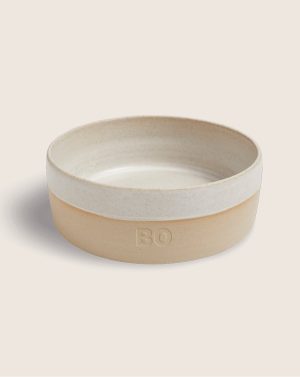
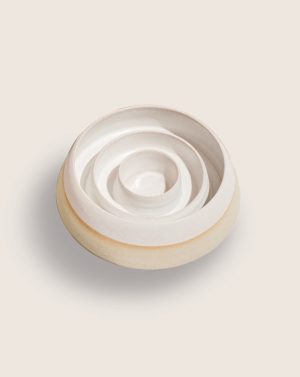
Keramieken anti-schrok voerbak Bo
What can happen if you don’t clean often enough?
If leftovers remain in a bowl, bacteria can multiply quickly. Think of salmonella and E. coli. These can cause health risks such as diarrhoea, stomach aches, or infections. Some animals can get quite sick — especially puppies, seniors, and sensitive pets.
Fungi and parasites can also settle in if food or water is left out for too long. So cleaning isn’t just “tidy,” it’s also important for your pet’s health.
Cleaning your dog’s bowl: how to do it in 60 seconds
For daily cleaning, warm water plus dish soap is usually enough — especially if you rinse well.
Hot water is useful when:
- there’s a greasy layer left behind (from wet food),
- you can feel biofilm (a slippery layer), or
- the bowl holds onto a smell.
Important: always rinse thoroughly so no soap residue remains. Then let the bowl dry well — dryness helps reduce the chance of bacteria and fungi.
Small extras that make a big difference
A few mini habits make your routine instantly easier:
- Don’t place bowls in direct sunlight.
- Rinse right after meals (so you don’t have to scrub later).
- Replace damaged bowls with cracks or deep scratches.
- If you have a dog or cat with a sensitive stomach, daily cleaning is extra important.
And then… which bowl is actually the most practical?
Once this becomes a routine, it suddenly gets much easier to make choices that support hygiene. Think about the material (plastic, stainless steel, ceramic), whether you can use the dishwasher, and how you deal with biofilm.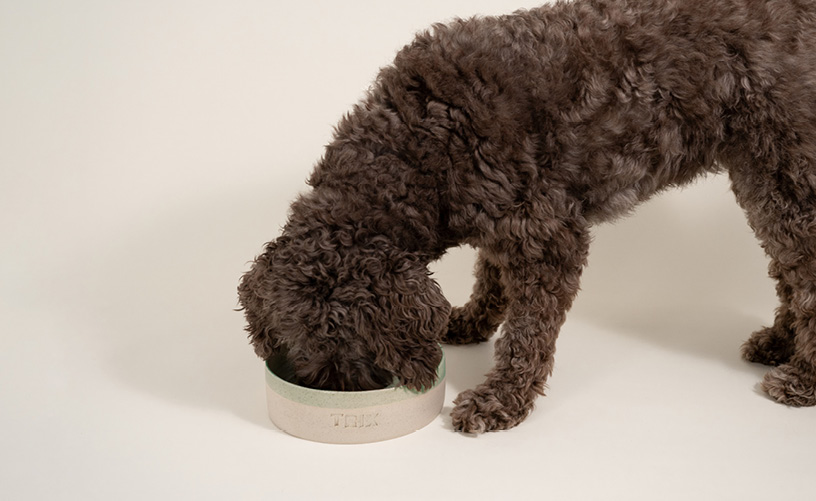
Choosing materials: plastic vs. stainless steel vs. ceramic
The material of your food and water bowls matters more than you might think. Not just for looks, but especially for hygiene. Dirt and bacteria can linger in small scratches, even if you rinse well.
Plastic
Plastic is lightweight and often inexpensive, but it scratches more easily. Those tiny scratches are places where bacteria and biofilm can build up. Do you see cracks, notice a musty smell, or does the bowl feel “dirty” again quickly? Then replacing it is usually the best choice.
Stainless steel
Stainless steel is a favourite because it’s smooth and easy to keep clean. It usually handles warm water well and often hot water too. That makes it a great option if you like to keep things practical.
Ceramic
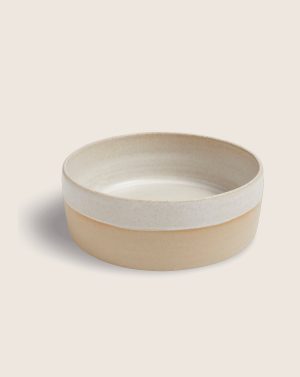
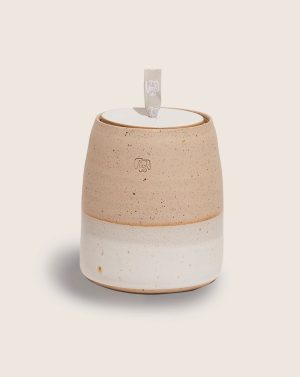
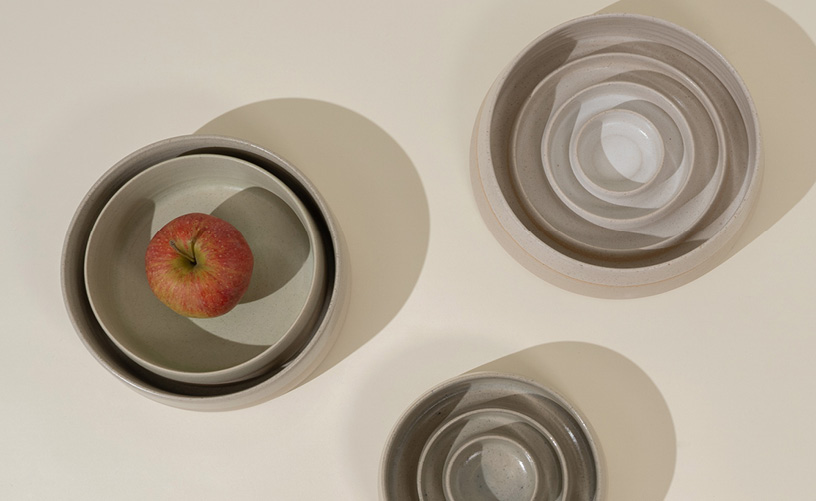
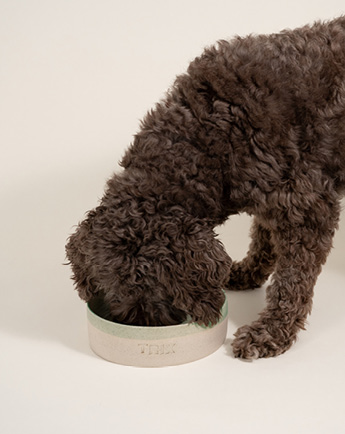
Ceramic is sturdy, heavy, and stays put — ideal for an enthusiastic eater or drinker. It also looks great in your home. Just keep an eye out for damage: if cracks appear, leftovers and bacteria can hide inside them. So give it a quick check every now and then.
Dishwasher or handwashing?
A dishwasher isn’t essential, but it is very handy. Especially if you want to stick to daily cleaning without it feeling like “one more chore.” The combination of warm water, a longer wash cycle, and thorough rinsing helps reduce germs
When is the dishwasher especially helpful?
- If you have multiple bowls (for example, one for a dog and one for a cat).
- If you feed wet food and greasy layers form more quickly.
- If you can feel biofilm, despite regular rinsing.
Handwashing (also works great) if you do this:
- First rinse with warm water.
- Wash with dish soap and a separate sponge.
- Rinse extra thoroughly so no soap residue remains.
- Let the bowl dry (or dry it with a clean towel).
Tip: a sponge can become a breeding ground itself. Replace it regularly, or use a brush that’s easy to clean.
Gepersonaliseerde hondenvoerbak Bo
Dog or cat at home: extra hygiene with multiple pets
If you have a dog or a cat (or both), hygiene becomes even more important. Bacteria spread easily via shared water bowls, toys, and saliva. Keeping your cat clean also means consistently cleaning their food and water bowls.
Practical tips for multiple pets:
- Give each dog or cat their own food bowl.
- Place water bowls in several spots, but clean them all.
- Don’t place water in direct sunlight.
- Has one pet had diarrhoea or been quite ill? Clean all bowls extra thoroughly.
Are you unsure whether symptoms are caused by contamination? Check in with your vet, especially if your pet is lethargic, keeps vomiting, or refuses to eat.
Biofilm, algae, and ‘invisibly dirty’: what to really watch out for
When we think about cleaning, we often focus on visible dirt. But with food and water bowls, the real issue is usually the invisible part.
Biofilm is a thin, slippery layer where bacteria can hide. Sometimes you can’t see it, but you can feel it: the bowl feels “slick” or slimy.
How does biofilm form? – Through saliva in the water. – Through leftovers that remain after a meal. – Through water that sits for too long.
Algae form mainly in water bowls that stand in direct sunlight. This makes the water less fresh and can attract extra germs.
Thankfully, the solution is simple: daily rinsing, regular washing, and letting the bowl dry properly.
Hot water vs. warm water: when to choose which
For daily washing, warm water plus dish soap is usually enough. Hot water is mainly helpful when you notice grease, biofilm, or odours lingering in the bowl.
In practice:
Daily: warm water, dish soap, thorough rinsing.
Weekly: a more thorough clean with hotter water and extra attention to edges and corners.
It usually only takes a few extra seconds, but it helps a lot in reducing bacterial growth.
Common mistakes (and how to avoid them)
Even with the best intentions, small habits can creep in that make things less hygienic. These are the classics:
- Only topping up: you add fresh water, but don’t rinse the bowl. That leaves bacteria behind.
- Not rinsing well enough: soap residue can remain. Always rinse thoroughly.
- Letting bowls ‘soak’: leaving food and water standing too long turns the bowl into a breeding ground.
- One sponge for everything: use a separate sponge or brush for pet dishes.
Pawness tip (subtle): choose a bowl that makes your routine easier
If you have a bowl that’s pleasant to use, cleaning suddenly becomes something you “just do” instead of something you put off.
- A sturdy, stable bowl slides around less (so there’s less mess).
- A smooth surface makes rinsing and washing easier.
- And a bowl you actually like the look of is one you’ll leave out in its place — which means you’re less likely to forget it in your cleaning routine.
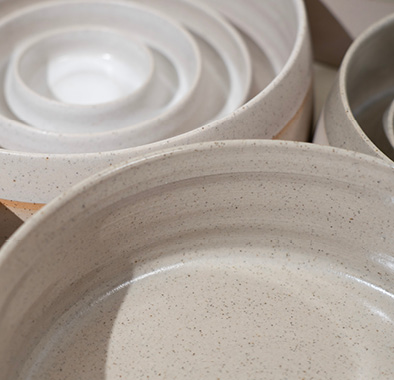
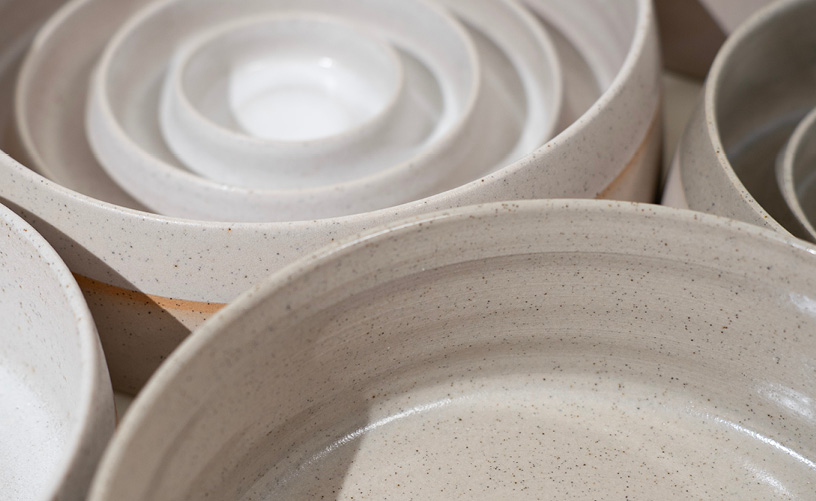
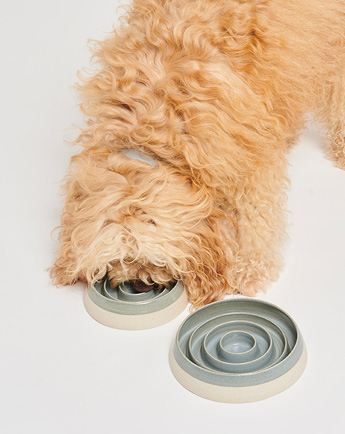
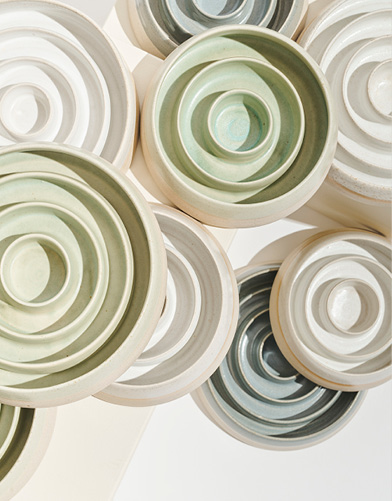
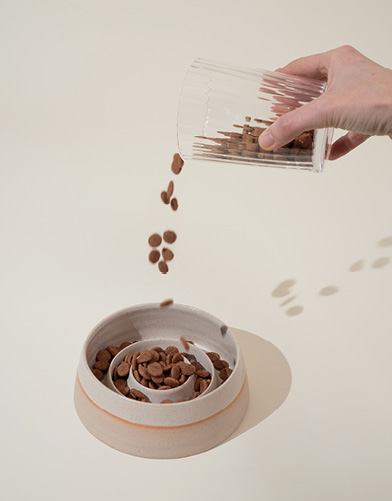
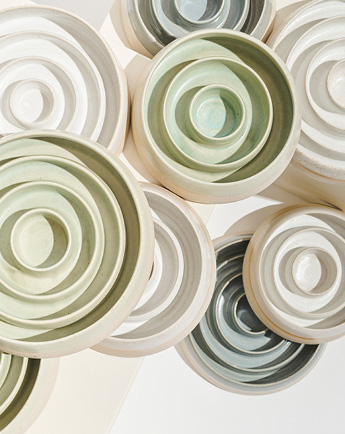
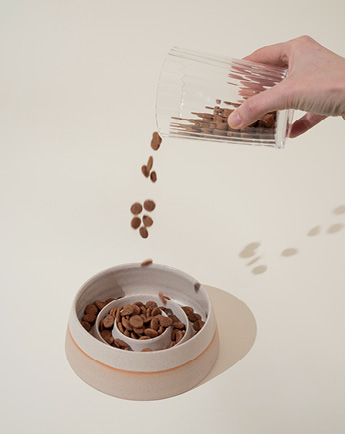
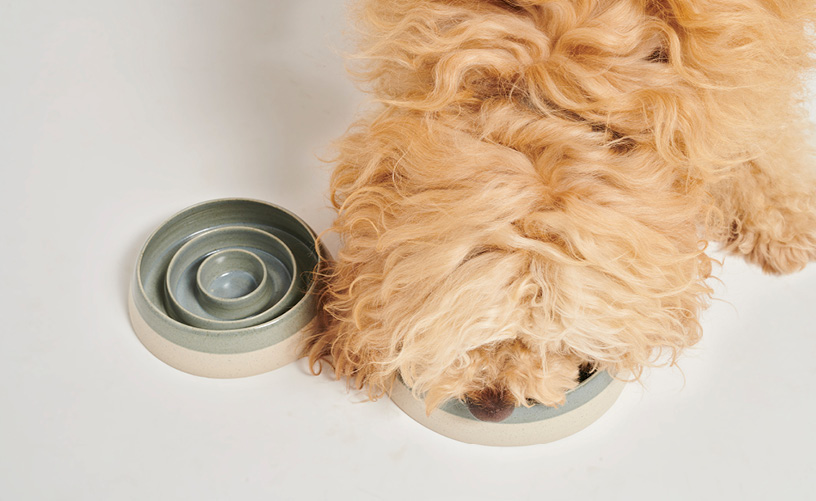
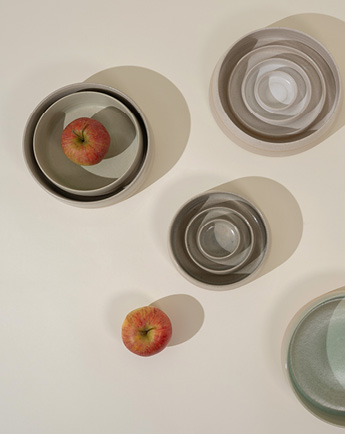
At Pawness, we choose handmade ceramic bowls: sturdy, timeless, and made for everyday use. And for fast eaters, slow feeder bowls are great, because they help your dog eat more calmly. (Extra tip: because of their shape, leftovers can more easily get stuck in corners, so a good rinse really is your best friend here.)
Mini routine that works:
- After every meal: rinse and wash the food bowl.
- Every day: empty the water bowl, rinse, and refill with clean water.
- At least once a week: clean thoroughly (in the dishwasher if suitable).
This way, you keep bowls clean, prevent bacterial growth, and reduce the risk of infections for your pet.
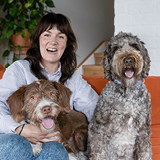
I’m Denise, the founder of Pawness. The company was born out of my love for my dog, Bo, and my search for fair, beautiful products for dogs. I believe that every choice matters: for your dog, for the planet, and for the people behind the products. Through these blogs, I help puppy parents make more conscious choices—without making it complicated.