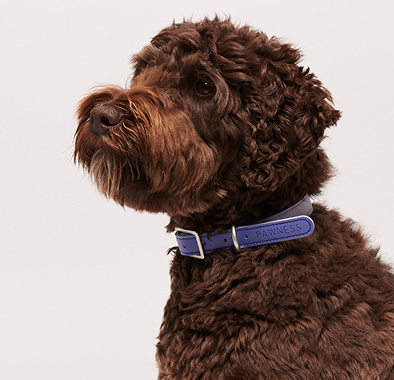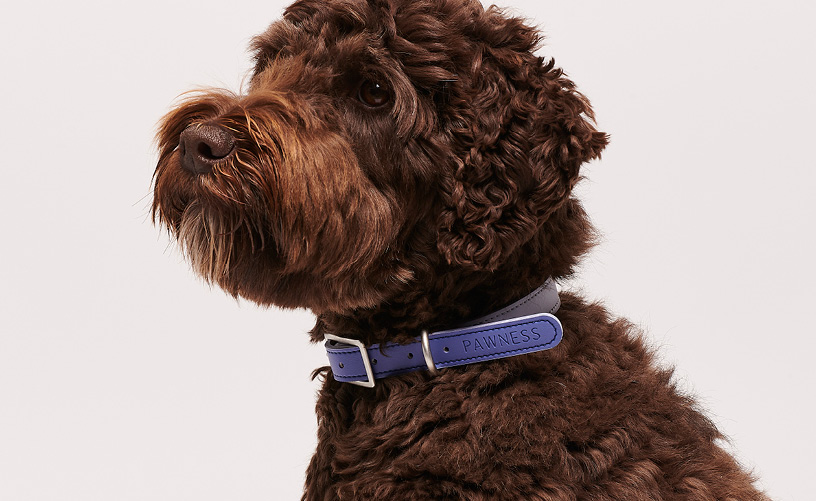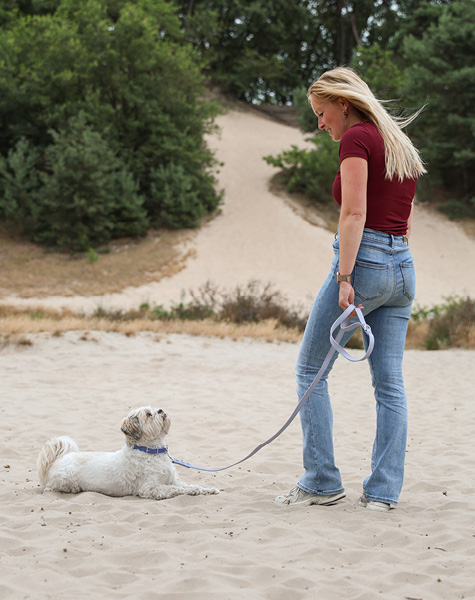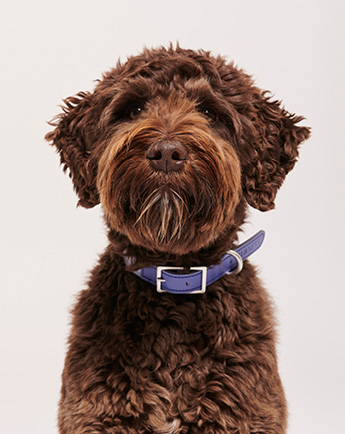
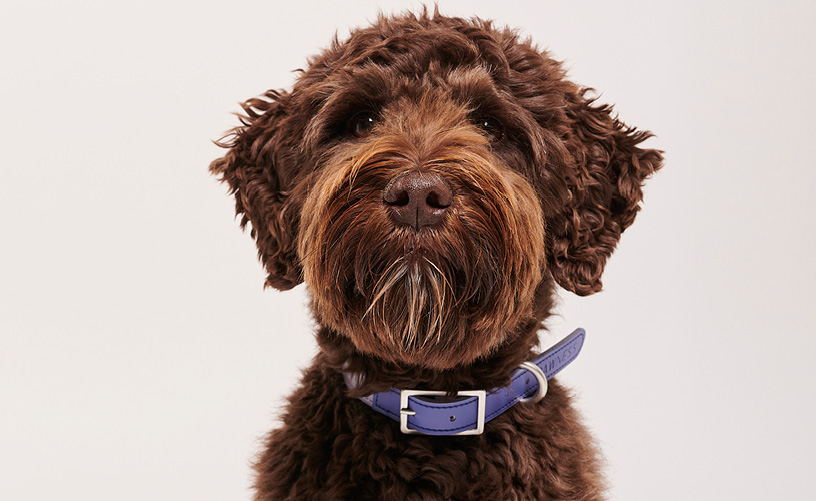
Are you thinking about bringing a Labradoodle into your home? Make sure you take the time to really get to know the breed and to see whether this type of dog is a good fit for your family. It’s important to consider how the dog will respond to your family dynamic. Your dog should feel at ease and become a true member of the family in a calm and loving home where everyone lives together in harmony.
Labradoodles are incredibly popular. So let’s explore whether this breed is a good choice as a family dog.
A Labradoodle is a cross between a Labrador Retriever and a Standard Poodle. With their wonderful temperament and friendly nature, Labradoodles can be a great addition to your family. Because they are so social, these dogs make excellent family companions. If you have children at home who love to play with their furry friends, a Labradoodle might be the perfect choice.
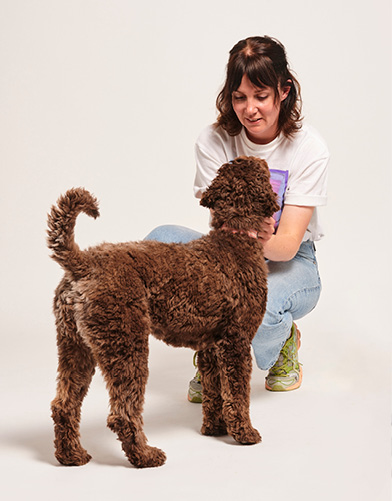
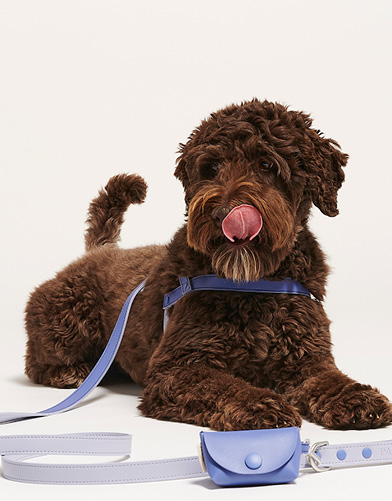
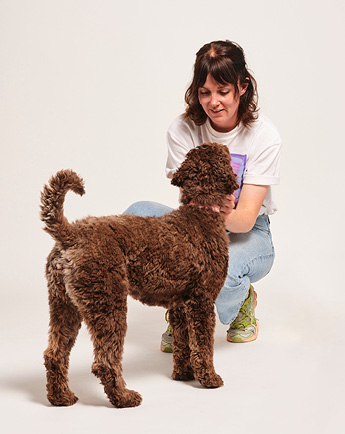
What makes a good family dog?
Not every dog is a family dog. You don’t want to bring home a dog that is aggressive or overly hyperactive by nature, as those breeds are usually not a great match for family life. There are, however, a few key traits that every good family dog should have. Let’s take a look:
Loyalty
No matter what your home environment or lifestyle looks like, always try to choose a dog that is affectionate by nature. Your dog will eventually become a full member of your family, so the dog you bring home must be loyal and calm.
When you walk through the park with a social, cheerful dog, you’ll naturally feel more confident and at ease around other people and your friends. You certainly don’t want to avoid friends and family because you are worried about how your dog might behave.
Intelligence
Good family dogs are well trained in how to behave around family members and children. Dogs and children can build a wonderful bond, but that relationship does depend to some extent on the dog’s intelligence.
Sometimes a loving gesture from a child, such as a kiss or a cuddle, may not be appreciated by the dog. A good family dog is therefore intelligent and well-trained enough to respond appropriately to these kinds of actions. Learning how to respond to a child’s behaviour should be part of their training.
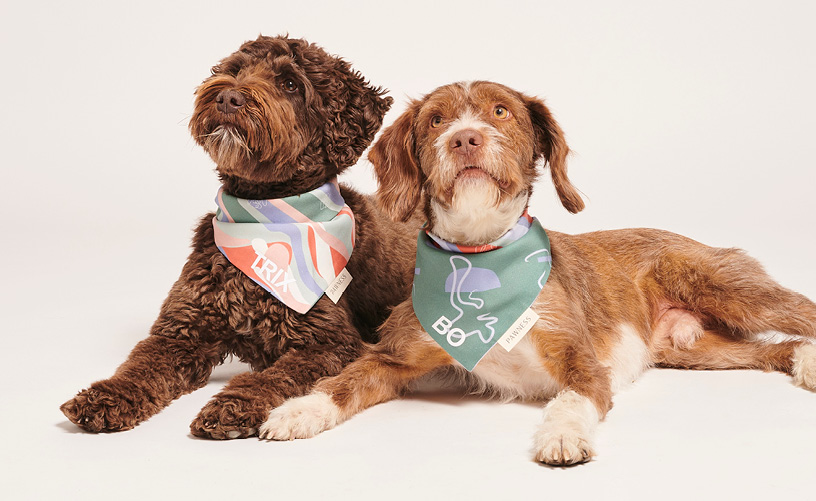
Kid-friendly nature
If you have babies or young children at home, it’s important to choose a breed that is known to be good with kids. These breeds are typically sweet, gentle, and sociable. Still, it’s important not to leave small children and a dog alone together. Sometimes a child may do something your dog doesn’t like. Dogs need to be tolerant enough to handle a bit of clumsy petting or an occasional ear tug. Still, it’s just as important to teach children from the very beginning that this behaviour is not okay and that the dog will not always put up with it.
Easy to care for
In a busy family life, it’s wise to think about how easy a dog is to care for. Between work, school runs, and social activities, you may not want a dog that has very demanding grooming needs. Some breeds require frequent baths, brushing, and other grooming to stay healthy and happy. Of course, you can have part of the grooming done by a professional groomer. However, that doesn’t mean there’s nothing left to do in between grooming appointments. Your pup will still need regular brushing and coat care at home to stay healthy and comfortable.
Energetic
Family life is often full of activity and fun, so you need a dog who can keep up with your busy lifestyle. Your dog should also feel comfortable with all the social interactions that come with it. Friends, family, children, and adults will be coming and going all the time.
A good family dog needs to be lively enough to take all of this in stride. Labradoodle puppies are active and energetic, always ready for fun and playful activities.
How to introduce your new Labradoodle puppy to your family
Bringing a new puppy home is always exciting. Puppies are irresistibly cute and fun to have around. How you introduce and train your Labradoodle puppy, however, can have a lifelong impact. These first experiences lay the foundation for your puppy’s growth and development. With the steps below, you’ll be well on your way to a smooth and relaxed introduction.
Keep in mind that when your puppy first comes home, they’ve just been separated from their little littermates. Entering a completely new environment is not easy for either humans or animals, especially when they are small and inexperienced.
Because of this, it’s perfectly normal for your puppy to seem a bit insecure at first. Don’t worry, though. With a well-thought-out introduction, you can help your puppy settle in and start training them to fit into your household. Just remember to follow a few basic rules, like the ones below, and take things slowly with your little Labradoodle:
- House-training your puppy should be a top priority. Reward good behaviour with praise and small treats so your puppy learns that good behaviour is rewarded. Dogs love positive feedback.
- From day one, decide where your puppy will sleep and take them to this spot every night. This teaches your puppy to go to their own place when it’s time to sleep.
- Puppies often miss their littermates when they move into their new home. They may cry at night or seem a bit sad. Offer your pup comfort and reassurance so they feel safe. This not only helps them feel better but also strengthens your bond.
- Feed your Labradoodle at the same time every day, in the same place, and stick to a routine. That way your pup knows what to expect throughout the day.
- Routine is the key to all of this training. Just like a child needs guidance, affection, and time, your puppy does too. Once you’ve built a clear routine into your pup’s life, daily life for everyone in the family becomes much easier and more enjoyable.
5 traits that prove a Labradoodle is a great family dog
Dogs are usually chosen and brought home based on certain traits, whether they are Labradoodles or another breed. If you’re considering adding a Labradoodle to your family, here are some characteristics that make Labradoodle puppies such wonderful family dogs.
Adaptability
Labradoodle puppies adapt well, whether you live in an apartment or a house with more space. Thanks to their flexible and tolerant nature, Labradoodles can handle both warm and cold weather conditions. On top of that, you can generally leave your puppy home alone for short periods without worry. A Labradoodle can cope with being on their own for a little while.
Friendliness
Labradoodle puppies are fun, affectionate, and friendly dogs around families and children. Because they feel at ease around kids, this breed is a great option if you have children. Labradoodles are also social dogs and, when properly socialised, can live happily alongside other dogs.
Trainability
With their high level of intelligence and responsiveness, Labradoodles are not difficult to train. If they receive good training early on, Labradoodle puppies are unlikely to give you reasons to complain about their basic manners. Labradoodles are also not known to be excessive barkers, and they typically don’t have a strong prey drive or the urge to chase.
Physically active
Labradoodles make wonderful family dogs because they are playful and energetic. Whether you want to take them for a walk or a more active workout, their energy levels are usually high, and they are always up for fun activities. Because they are naturally active, Labradoodles are great playmates for both adults and children. You can have lots of fun with your puppy in your free time.
Excellent temperament
Labradoodles are known for their excellent temperament, something you don’t often find to the same degree in many other breeds, whether purebred or hybrid. Thanks to their high intelligence, Labradoodle puppies are especially suitable for families who are welcoming a dog into their home for the first time. They do like to feel involved, and sometimes in control, but with patience and consistency they are generally easy to train.
6 tips for raising the best family dog
Just like any other family member, a dog needs shelter, food, care, and other essentials. And just as each family member contributes to each other’s growth and development, your dog needs that same level of attention. If you are planning to welcome a dog into your home, here are a few key tips for raising your dog together as a family.
Managing relationships
Just as you set certain rules when raising a child, you also need guidelines when raising a dog. However, keep in mind that these rules and expectations shouldn’t be too strict; rather, they should be clear and gently enforced. Too much rigidity can make life feel dull and stressful. Focus on building a strong, positive relationship with your dog and treat them like any other family member. Trust and connection are essential.
Have a warm and playful relationship with your dog, but don’t forget to establish basic rules around sleeping, eating, and hygiene. Giving too much freedom can easily disrupt your dog’s routine—and your own. At the same time, stay understanding and kind towards your sweet four-legged family member.
Give them space
Even though your dog is a new member of the family, they are still a dog, not a human. Give your dog some space. Don’t feel discouraged if they sometimes act up or show challenging behaviour. It’s important to understand what it means to be a dog and what kind of behaviour comes with that.
Every being needs space, and dogs are no exception. They need room—both physically and emotionally—to live a fulfilling life. Keep training walks short and focused, and make time for longer, relaxed walks just for fun. If you’re struggling with certain aspects of your dog’s behaviour, consider seeking help from a professional trainer. It’s also a great idea to attend a puppy course together. Your puppy will learn basic skills, and you’ll strengthen your bond at the same time.
Set boundaries for your Labradoodle puppy
Don’t forget to set boundaries if you want to enjoy a good, balanced relationship with your dog. It’s important not only to have clear rules for your dog but also for the rest of the family. Boundaries are about clear, consistent guidelines that everyone in the household follows.
Teach your family how to create a safe and friendly environment for your puppy. For example, you can teach your dog to wait at the door. This helps prevent your puppy from running out into the street without permission.
Take your Labradoodle puppy’s age into account when setting rules
Always consider your puppy’s age when deciding on training rules. If your puppy is still very young, you can start with a few simple but clear rules. Once your Labradoodle grows up and has learned all the basic manners, you may decide to be a little more relaxed and flexible about certain rules.
A friendly tone works best
Puppies don’t know anything yet; just like young children, they are completely dependent on you. Teach your family members how to handle the dog and communicate with it. Try to avoid speaking harshly or reacting in an unfriendly way. It’s important that everyone in the family communicates similarly and follows the same rules. This consistency makes life much clearer and less confusing for your pup.
Last but not least: lots of love
Every living being needs love. So even though you set rules and boundaries, make sure you shower your Labradoodle with affection. Treat your dog with kindness and love, and in return you’ll be rewarded with joy, affection, and unwavering loyalty.
Conclusion
Considering all the traits and characteristics mentioned above, the Labradoodle is a wonderful choice as a family dog. With all the qualities you would expect from a good family companion, a Labradoodle puppy is unlikely to disappoint and will bring plenty of joy and memorable moments into your life.
Do keep in mind that Labradoodles require above-average coat care. Their coat is high-maintenance and needs to be professionally groomed every 2–3 months. In addition, it’s important to take good care of the coat at home by brushing regularly and blow-drying after a walk in the rain. It’s a good idea to look into this in advance and consider whether you can provide this level of care alongside your busy family life. For more information about coat care, visit The Doodle Look.

I’m Denise, the founder of Pawness. The company was born out of my love for my dog, Bo, and my search for fair, beautiful products for dogs. I believe that every choice matters: for your dog, for the planet, and for the people behind the products. Through these blogs, I help puppy parents make more conscious choices—without making it complicated.