As a puppy parent, you know your pup needs plenty of sleep, high‑quality food, and enough movement and activity. Those daily walks already give your little rascal a good workout. But besides walking, it’s just as important to play with your puppy. Playing together strengthens your bond. And of course, there are also many types of puppy toys your little fluffball can happily play with on their own. But what are the best toys for puppies?
Besides being fun, toys also need to be safe and durable. There are different categories of puppy toys, each one meeting a specific need your pup has. To help you choose the right toys for your puppy, we’ve listed what to look out for when buying toys and which categories exist. And of course, we’ve highlighted the best toys for puppies in each category.
Inhoudsopgave
The best toys for puppies – 8 do’s & don’ts
- Kiezen voor te zacht speelgoed
- Het verkeerde formaat speelgoed
- Knuffels die bedoeld zijn voor mensen
- Speelgoed met een harde vulling
- Speelgoed dat je hond niet motiveert – het leukste speelgoed voor puppy’s
- Speelgoed wegpakken als straf
- Te laat starten met speelgoed
- Niet voldoende speelgoed
6 categories for small dogs and the best puppy toys
- Interactief honden speelgoed
- Beloningsspeelgoed – het leukste speelgoed voor puppy’s
- Actief beloningsspeelgoed
- Verkoelend kauw speelgoed
- Kauw speelgoed – het leukste speelgoed voor puppy’s
- Apporteren
Top 10 van het leukste speelgoed voor puppy’s, verdeeld per categorie


The best toys for puppies – 8 do’s & don’ts
When raising your puppy, toys are essential and really belong on the list of “must‑haves for puppies.” But when you’re shopping for the best toys for puppies, it’s important to make sure you pick the right ones. This helps you avoid problems – from shredded plush toys to loose parts that can create dangerous situations. To help you steer clear of these mistakes, keep the following points in mind when buying and using toys for a small dog.
1. Choosing toys that are too soft
When you’re choosing toys for your puppy, it’s better to go for “harder” toys instead of the very soft ones made especially for puppies. Your puppy will chew on their toys, and even though they’re still small, they can easily tear them apart. If they bite off pieces while playing, they may swallow them.
2. Picking the wrong size toy
When buying toys, it’s important to choose the right size. For a small dog, the toy shouldn’t be too big, as that makes it hard to play with. But make sure it’s not too small either. If your rascal gets very excited during play, you want to avoid the toy ending up deep in their mouth or throat.
3. Using plush toys made for people
Children of a certain age understand they shouldn’t chew on the eyes of their favorite stuffed animal. Your puppy doesn’t know that they’re not allowed to bite the eyes, ribbons, or other loose and sticking‑out parts of a plush toy. Plush toys made for people aren’t designed for your pup’s strong jaws. They can easily tear the toy apart and pull out the stuffing – or worse, eat it.


4. Toys with hard filling
Your puppy can injure the inside of their mouth if you give them toys with a hard filling. It’s not recommended to give your puppy toys stuffed with materials like straw or hay.
5. Toys that don’t motivate your dog
The best toys for puppies Many puppy parents buy toys to use during training. But when choosing toys, they don’t always check whether their puppy actually gets excited about them. Using toys for puppy training is a great idea, but your pup has to enjoy them. Otherwise, the training won’t be motivating and your puppy may become frustrated.
6. Taking toys away as punishment
It’s better to work with a reward system instead of using toys as punishment. Give your pup a toy when they listen well and show the desired behavior. By rewarding your rascal with their favorite toy, you make puppy training even more fun and varied.
7. Starting too late with toys
If you don’t start training with toys early enough, your puppy can become possessive. Training with toys is a great way to prevent “puppy biting.” If you wait too long, your pup may react possessively or even aggressively when someone tries to take the toy away.
8. Not having enough toys
Trust us, you can never have too many toys for your puppy. You need enough toys to keep your dog excited and motivated. That’s why it’s smart to rotate toys. Leave out a few they can play with, and store the rest. Every now and then, swap them around so your pup stays enthusiastic about their toys.
6 categories for small dogs and the best puppy toys
1. Interactive dog toys
It’s perfectly fine to buy “soft” toys for your pup, like David the Dolphin. Just make sure they’re specifically made for dogs – not too soft and made from sturdy material. You don’t gain much from a toy that only looks cute but doesn’t offer your puppy much to do. The toy should have a purpose so your puppy can really play with it. For example, there are toys that make sounds like squeaking, honking, or crinkling. The Wubba is a great example – your pup is sure to have hours of fun with it!
2. Reward toys
The best toys for puppies Reward toys are a must in any puppy household. These dog toys are made of (natural) rubber and can be filled with treats. When you buy this type of toy, it’s a good idea to choose a version made from natural rubber, like KONG or the BecoBall. They don’t contain harmful substances, are durable, and are nice and strong. You can fill these toys with anything your puppy loves, but you can also use them to serve their “normal” food. Reward toys are a fantastic way to keep your puppy busy for longer. They’ll keep going until the toy is completely empty and every last treat is gone! These toys come in different sizes, shapes, and levels of difficulty. Because puppies can get frustrated easily, it’s best to start with a simple toy. That way, your rascal sees results quickly and will enjoy it more. Over time, as your puppy figures out how it works, you can move up to a more challenging version.

3. Active reward toys
You might be thinking: isn’t this the same as point 2? Not quite. They’re similar because both can be filled with treats, but there’s one big difference. Active reward toys require more effort and movement to get the treats out. This means your puppy has to push, roll, and use their paws to earn the reward. For this kind of toy, your puppy needs some space to move around. That’s why these toys aren’t ideal for “crate time.” It’s better to offer them when you can keep an eye on your pup and they have room to play.
The great thing about this type of toy is that it also challenges your puppy mentally while helping them burn energy. They have to work and think about how to get the treats out in the best (and fastest) way. The Biscuit Ball and the Spin’n Snack Puzzle are perfect examples of active reward toys.
4. Cooling chew toys
There comes a moment when your puppy starts teething. Teething can be an uncomfortable experience for your pup, so it’s important to have toys that help relieve the pain. Cooling chew toys can ease discomfort during this period and soothe the gums. These toys work in two ways: they satisfy your puppy’s need to chew and provide a pleasant cooling effect that helps reduce pain. You can also use reward toys for this. Fill the reward toy with cottage cheese or peanut butter, freeze it, and let your puppy chew away. During the teething phase, make sure you always have a few frozen toys ready to go. That way, you’re prepared whenever your rascal needs relief.
5. Chew toys
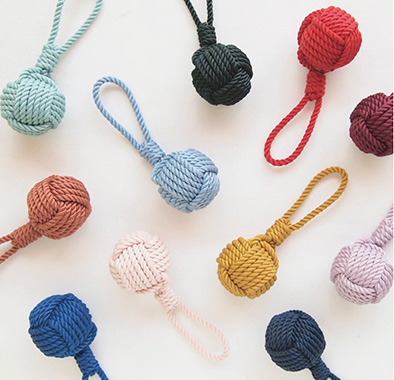
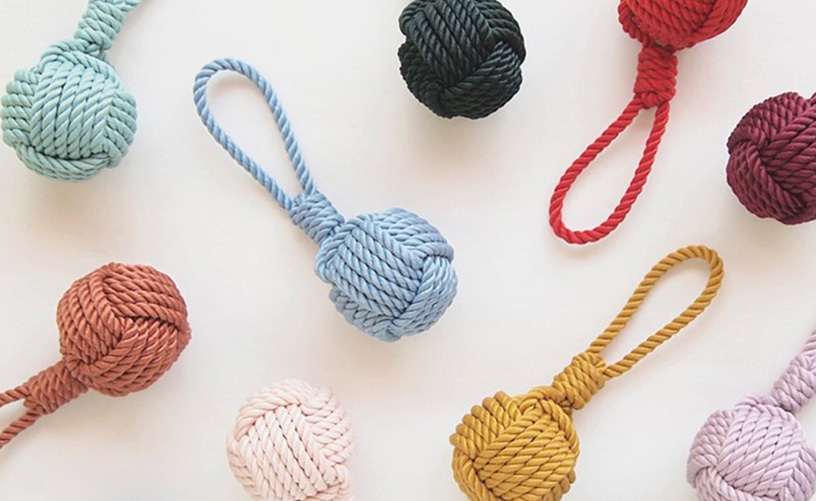
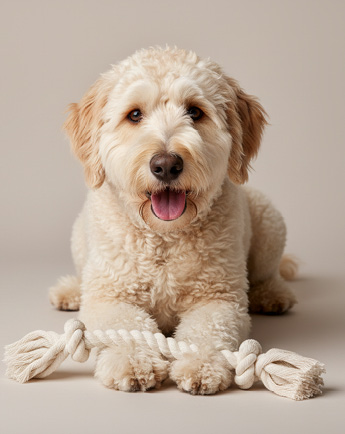
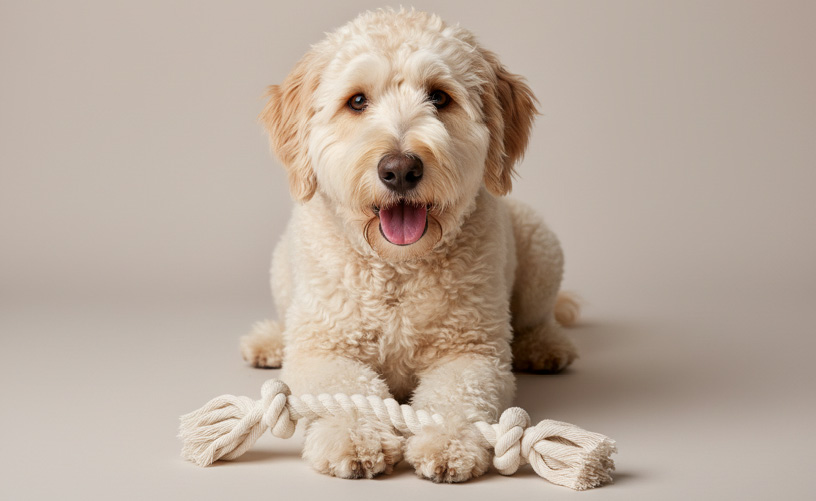
The best toys for puppies Sometimes it’s simply wonderful for your puppy to have something to chew on calmly. Chewing helps reduce stress and has a soothing effect. For chew toys, you can choose options made from unbleached cotton or hemp. These types of chew ropes come in all kinds of shapes and sizes – balls, ropes, and even fun shapes made from rope. A chew rope is also very suitable to give during “crate time,” so your puppy can chew and gnaw undisturbed.

foto: mutleyssnaps.co.uk
6. Fetch toys
Once your rascal is a bit older and you want to start training, fetch games can be a lot of fun. Fetching strengthens your bond – you’re working together – and it helps your pup burn plenty of energy. At first, your puppy won’t immediately understand what fetching is. You’ll need to train and guide them step by step. The easiest way is to use two toys. In short: you throw one toy, then use the other toy to call your puppy back. When your puppy returns to you, you throw the second toy. They’ll drop the toy they had in their mouth to chase the new one. In the beginning, this takes some trial and error, but once your puppy gets the hang of it, you’ll both have a great time.
If you want to start with fetch training, the Training Dummy is a great toy to use. If your puppy loves swimming, this toy is perfect because it floats. And if your rascal is crazy about balls, the indestructible Wunderball is the ideal ball to play with.
During your puppy’s upbringing, it’s important to teach them how to play. With the categories above, you can easily decide which toys are suitable for your small dog at different times. One toy helps relieve teething discomfort, while another supports your puppy’s training. Either way, playtime is fun! So always make sure your little dog has toys that match their needs. Keep an eye on your puppy so they don’t get frustrated while playing and that everything stays safe. Always check dog toys carefully before you buy them, so your little rascal can play safely and without interruptions.
Here is the top 10 list of the best toys for puppies, by category:
- Interactive dog toys: David the Dolphin
- Interactive dog toys: Wubba
- Reward toys: KONG
- Reward toys: BecoBall
- Active reward toys: Biscuit Ball
- Active reward toys: Spin’n Snack Puzzle
- Cooling chew toys: Moon Ball
- Chew toys: T‑Rex rope toy
- Fetch toys: Training Dummy
- Fetch toys: Wunderball
Source:
– Jessi Larson – My Dogs Name
– Kerri Fivecoat – Campbell
– Victoria shade – Pet Central

I’m Denise, the founder of Pawness. The company was born out of my love for my dog, Bo, and my search for fair, beautiful products for dogs. I believe that every choice matters: for your dog, for the planet, and for the people behind the products. Through these blogs, I help puppy parents make more conscious choices—without making it complicated.