The right dog brush for a thick coat makes a big difference for your dog. Not only for the look of the coat, but also for your dog’s comfort and health. In this article, you will read which brush suits which coat type. You will also learn how to use the right technique and build a steady routine. This article is for owners of long-haired dogs with a thick or full coat. Think of a golden retriever, a Shih Tzu or a German Shepherd. After reading, you will know which brush suits your dog best. And how to use it for a healthy coat.
The best dog brush for a thick coat depends on your dog’s coat type. Good coat care is also about the right approach and a steady routine. Regular brushing helps prevent matting, improves air circulation and keeps the skin healthy. Owners who start early with a fixed grooming routine quickly see the difference. A dog with a well-cared-for coat feels more comfortable. He looks better and suffers less from skin irritation. This article helps you make the right choices for your dog and his specific coat.
Why coat type determines the right brush choice
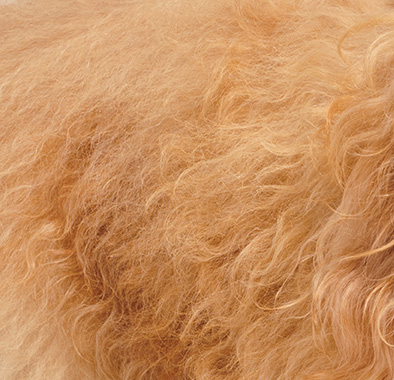
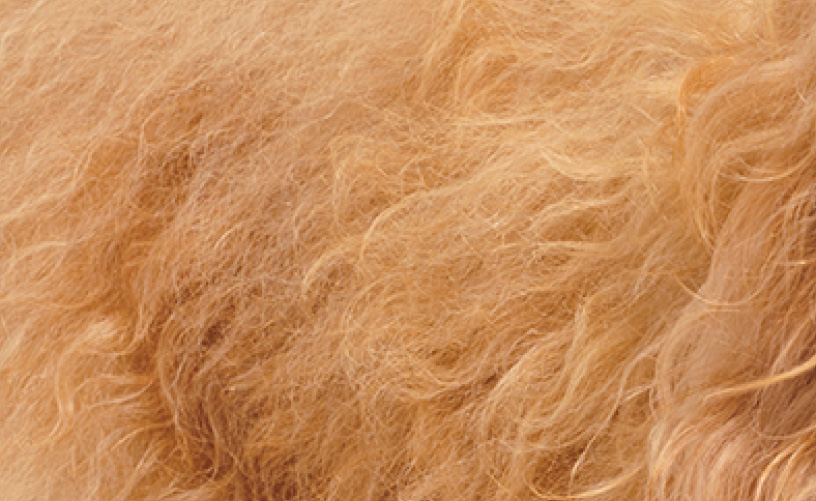
There are big differences between coat types. A short coat has different needs than a long coat. Curly coats, silky coats and dense coats each need a different approach. The choice for the best brush depends on your dog’s coat type. If you use the wrong brush, you will not reach the deepest layer of the coat. Or you may damage the topcoat unnecessarily, without getting the intended result. Dogs with a double coat, such as a golden retriever or a German shepherd, have a thick undercoat. They produce a lot of loose undercoat hair. An undercoat rake or a slicker brush is then the best choice. A coarse comb with wide teeth helps loosen loose hair and dirt first. After that, a fine comb works well for finishing.
Long-haired dogs, such as a Shih Tzu or a cocker spaniel, have coats that tangle quickly. For these dogs, long pins are important because they reach deep into the coat. They remove matting before it grows into a bigger problem. This shows how every coat type needs a different brush.
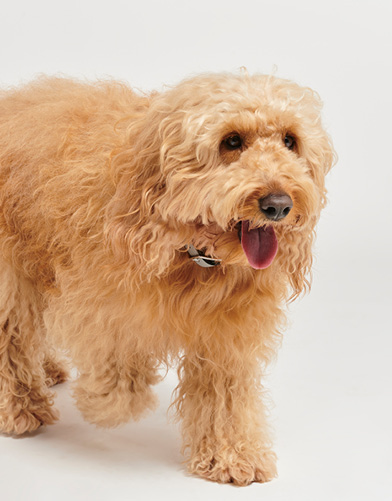
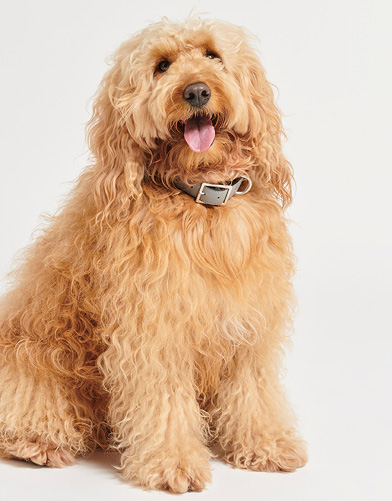
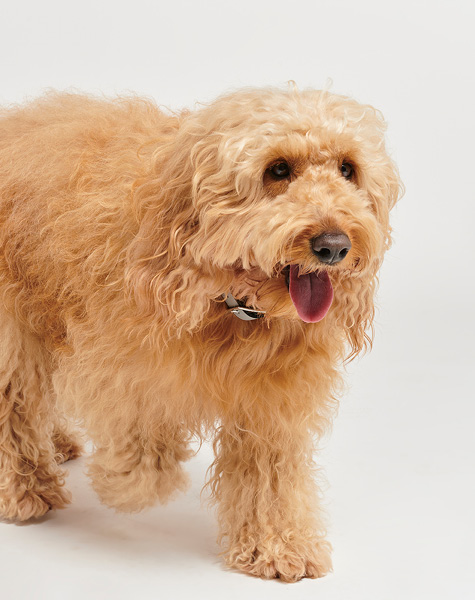
What happens if you wait too long to brush? With a thick or long coat, loose hair can form a felt-like layer when dirt and moisture accumulate. This is called matting. Matting often starts deep in the coat, close to the skin. The skin then gets less air and can start to itch or become irritated. Severe matting is painful for your dog and needs professional help.
Rubber brushes are ideal for dogs with a short coat. They gently massage the skin and remove hair. For soft hair and silky coats, it is best to choose a soft brush. This way, you do not damage the coat, and you keep your dog’s coat glossy. By brushing regularly with a good brush, you help prevent matting and keep the coat healthy.
The right way to brush a dog with a full coat
The right technique is just as important as choosing the right brush. Brushing a dog is more than quickly gliding over the coat. Always start at the back of your dog and work forward. Brush in layers. Lift one layer of coat and brush gently from the skin outward. This helps you work methodically through the thick coat without missing any spots..
Work calmly and carefully on matted areas. Never pull the coat forcefully, as it is painful for your dog. It also damages the soft hair and irritates the skin. Use a long-toothed brush to loosen matted sections. Start at the ends of the tangle. Then gradually work toward the skin. Always brush in layers, from the skin outward. With the right approach, you will quickly see results. Brushing becomes a pleasant moment for both of you.
Do not forget sensitive areas during the daily brushing session. Think of the armpits, behind the ears and between the paws. These are exactly the spots where matting starts fastest. A smaller brush is useful for harder-to-reach areas. Short, light brushing movements work better than long strokes with too much pressure. This prevents damage to the hair roots and stimulates circulation. Regular brushing also improves air circulation in the coat. Good coat care always starts with trust between you and your dog. Puppies that get used to regular brushing early find it easier later on. Introduce the brush in a positive way and let your dog sniff it. Reward calm behaviour with attention or a small treat. Keep the brushing session shorter if your dog shows signs of stress. Stop, reward and try again later. This gradually builds a positive association and helps your dog come to welcome brushing.
Which dog brush is best for a thick coat?
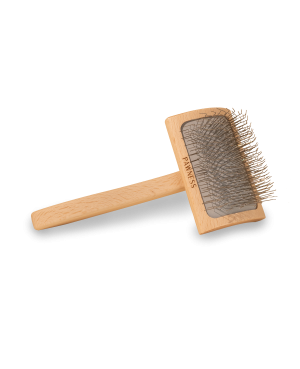
Which brush is the right choice for dogs with a thick coat? There are different options, each suited to another coat type. A slicker brush is a versatile choice for dogs with a full or longer coat. A slicker brush that removes loose hair also tackles dirt and early matting. The curved pins sit on a flexible cushion that moves with your dog’s shape. This allows the brush to pick up hair from the coat and remove it effectively. A dog brush with this design is suitable for thick coats and long-haired dogs. For dogs with a thick undercoat, an undercoat rake is a smart addition. The undercoat rake removes loose undercoat hair effectively and helps reduce shedding. Use it once a week, depending on the season and coat thickness. Combine both for thorough coat care. This way, you work methodically on both the top and lower layers.
Choose an ergonomic brush
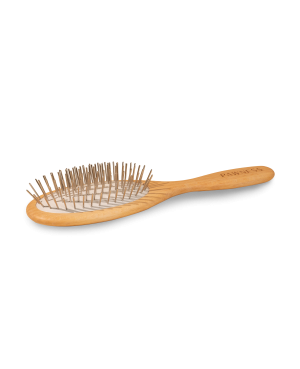
When choosing a dog brush for a thick coat, also pay attention to the handle. An ergonomic handle prevents fatigue during longer brushing sessions. Wood is more durable than plastic and feels comfortable in the hand. A rubber cushion under the pins provides extra flexibility. Long-haired breeds such as a cocker spaniel benefit from a pin brush with soft pins. Long pins reach deep into the coat and remove dead hair. They do this without damaging the outer coat layer.
A Shih Tzu has sensitive skin and benefits even more from soft pins and a flexible cushion. A good brush choice, combined with a consistent approach, keeps the coat comfortable and free from tangles. Wondering which brush suits your dog best? Start by identifying the coat type. Look at the texture, thickness and length of the coat. Also check whether there is a double layer. A Shih Tzu, a Labradoodle, or a Border Collie each needs a different approach. Dogs with a thick, full coat benefit from a brush that reaches the undercoat. Dogs with a finer coat often benefit more from soft pins and a light cushion. This helps you choose the right brush faster. And saves frustration during brushing. A good brush choice also makes the grooming session more pleasant for your dog.
The Pawness Curved Slicker Brush and Gentle Touch in practice
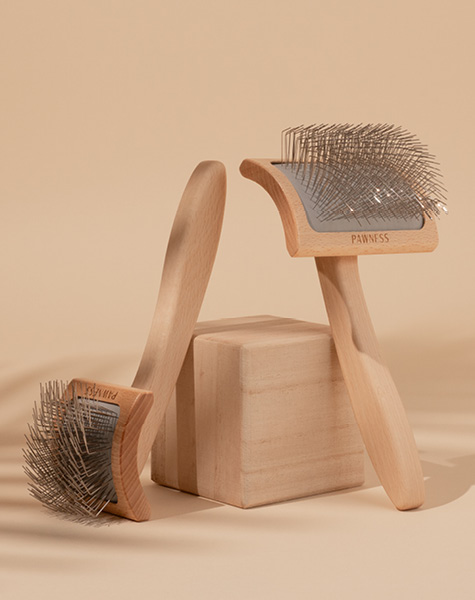
The Pawness Curved Slicker brush was specifically designed for dogs with long, full, or curly coats. The curved metal pins follow your dog’s natural body shape. This helps the brush glide effortlessly through the thick coat. The extra-long pins reach deep into the coat. This is where small tangles often start to form first. The ergonomic handle made from FSC-certified beech wood offers a comfortable grip. It also feels pleasant during a longer daily brushing session. The rubber cushion under the pins provides flexibility and good control.
The Curved Slicker Brush is available in size S and size M. Size S is ideal for smaller dogs and sensitive areas such as ears and paws. Size M suits larger dogs with a full coat. Regular brushing with this dog brush for a thick coat helps spread natural oils throughout the coat. The result is a glossy coat that always looks well cared for.
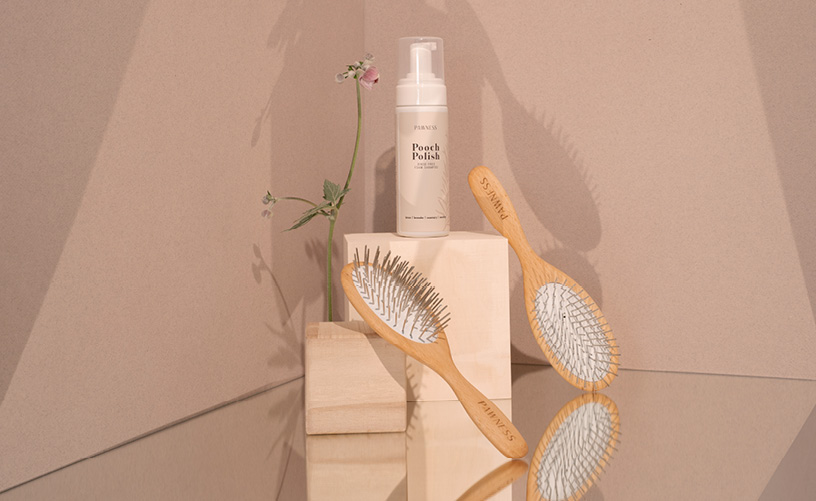
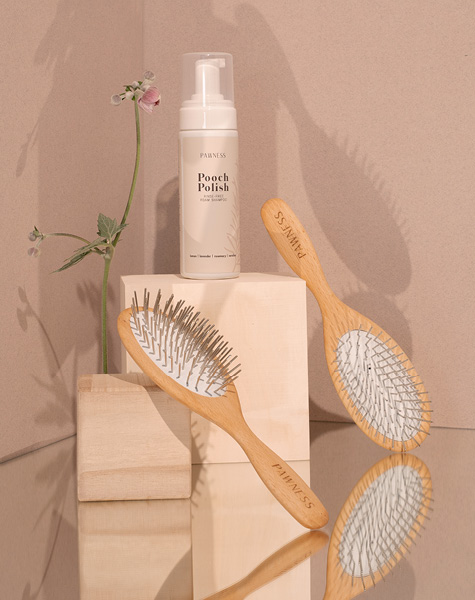
The all round favourite: Gentle Touch brush
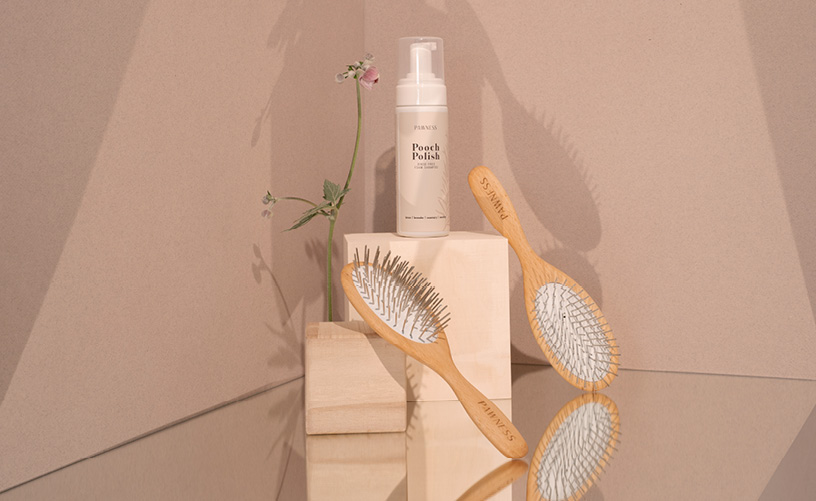
The Pawness Gentle Touch is een zachte borstel voor honden met een gevoelige huid. De extra dikke, afgeronde metalen pennen glijden soepel door de vacht. Ze trekken niet en veroorzaken geen pijn. Dat maakt de Gentle Touch geschikt voor honden van alle leeftijden, van puppy tot senior. Ze reiken diep in de vacht en verwijderen losse haren effectief. Ze beschadigen de bovenlaag van de vacht daarbij niet. De borstel is ontworpen voor dagelijkse verzorging en is compact van formaat. Rassen zoals een shih tzu of een spanielras profiteren van de zachte werking van dit model. Ook andere langharige honden hebben baat bij deze borstel. Een paar minuten dagelijks borstelen houdt de vacht gezond en vrij van vervilting. Dat bespaart ook kosten bij de trimmer. De Gentle Touch is geschikt voor honden die nog moeten wennen aan een vaste verzorgingsroutine. Zo maak je van iedere borstelbeurt een positieve ervaring voor jou en je hond.
Both brushes are made from FSC-certified beech wood. The natural oil finish protects the wood and gives it a warm look. Because of the durable materials, they last for years. Regular brushing with a high-quality dog brush for a thick coat has clear benefits. It helps prevent matting, improves air circulation and stimulates blood flow to the skin. Good coat care with these brushes is an investment that pays for itself.
A fixed routine for good coat care
Regular coat care is the key to a healthy coat without tangles. A fixed routine is also the best way to reduce shedding at home. Start with a short brushing session of 5 to 10 minutes. That is already enough to keep the coat loose and tackle small tangles early. Build the routine slowly, especially if your dog is not used to combing and brushing yet. Good coat care needs the right order of steps. Start with a coarse comb to loosen heavier matting. Then use a pin brush for the topcoat. Add an undercoat rake for the undercoat and always finish with a fine comb. Work methodically, from front to back and from the skin outward. Do not forget sensitive areas. Think of the armpits, the neck and the underside of the belly. These are the places where matting starts fastest. A fixed routine keeps the coat in top condition.
Also choose the right setting for the brushing session. A calm place and enough time make a big difference. Let your dog get used to being touched in sensitive areas. Reward calm behaviour with a small treat or attention. This turns daily care into a positive moment for you and your dog. For a Shih Tzu or a similar breed, a fixed routine is essential. The coats of these breeds quickly become tangled without daily attention. A good dog brush for a thick coat and an undercoat rake make a complete set. With a fixed routine, the coat always stays in good shape. Good coat care also strengthens the bond with your dog.
Summary: everything starts with the right choice
A well-chosen brush, combined with a consistent routine, keeps a thick dog coat comfortable and tangle-free. The best dog brush for a thick coat always depends on your dog’s coat type. The choice therefore depends on your dog’s specific coat. A slicker brush is versatile and works well for most full coats. An undercoat rake effectively removes undercoat and dead hair. A brush with soft, rounded pins is ideal for dogs with sensitive skin. Always use the right technique. Brush in layers and give sensitive areas extra attention. Establish a fixed routine and choose high-quality brushes. A high-quality brush, made from natural materials, lasts for years. It also works better than a cheaper version.
Good coat care is not a luxury, but part of responsible dog ownership. This keeps your dog’s coat healthy, glossy and free from tangles, day after day. With the right choices, your dog can enjoy every brushing session.
I’m Denise, the founder of Pawness. The company was born out of my love for my dog, Bo, and my search for fair, beautiful products for dogs. I believe that every choice matters: for your dog, for the planet, and for the people behind the products. Through these blogs, I help puppy parents make more conscious choices—without making it complicated.