Introduction: Finding the perfect match
Which dog suits me? Thousands of people ask themselves this question every day. Choosing the right dog is a decision that will affect your life for the next 10–15 years. A dog will fit you best if its character and needs match your lifestyle.
The perfect match between owner and dog doesn’t happen by accident. It requires careful consideration of several factors. From puppy to adult dog, every breed has its own traits and needs. A wrong choice can lead to frustration for both you and your future friend.
Analysing your lifestyle
Before you choose a dog breed, it’s essential to take an honest look at your own lifestyle. Are you someone who loves long walks, or do you prefer quiet companionship at home? An active Border Collie is not a good fit for someone who wants little exercise.
How much time do you have available for your dog each day? Some breeds need more attention than others. Herding dogs such as the German Shepherd require intensive training and mental stimulation. These intelligent animals get bored quickly without enough challenge.
Living space and environment
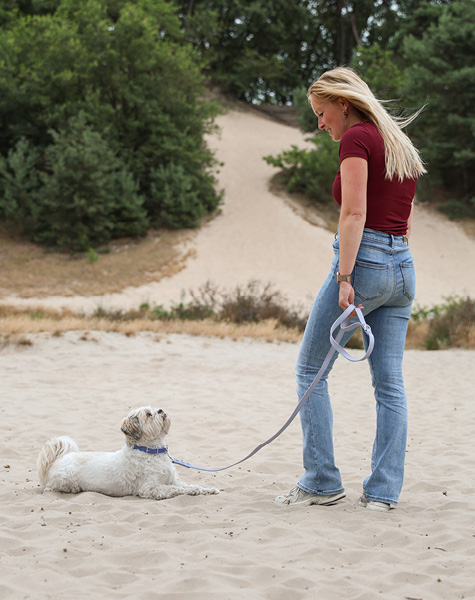
Your living situation largely determines which dog is suitable. A small Maltese will feel perfectly at home in an apartment, while an Irish Setter needs more space to run. Size plays an important role when choosing a dog.
Do you have a garden? Certain breeds, such as terriers, need access to outdoor space to burn off their energy. Other dogs are better suited to city life. Also consider your neighbours – some breeds bark more than others, which can cause problems in densely populated areas.
Family situation and other pets
If you have a family with children, companion dogs such as the Labrador or Beagle are often ideal choices. These popular breeds are known for their patience with kids. A Cavalier King Charles Spaniel is also excellent with small children.
Do you already have other animals at home? Some breeds live more easily alongside cats or other dogs. Purebred dogs often have more predictable behaviour toward other pets. Terriers, for example, can have a strong prey drive, which can be problematic with smaller animals.
Matching activity levels
All dogs need exercise, but the amount varies greatly by breed. A Poodle needs daily mental and physical stimulation, while a Shih Tzu is content with shorter walks.
Think carefully about your own activity level. If you think a dog could motivate you to move more, that can be a good choice. But be realistic about what you can keep up long term. An under-stimulated dog can develop destructive behavior, which nobody wants.
Coat care and maintenance
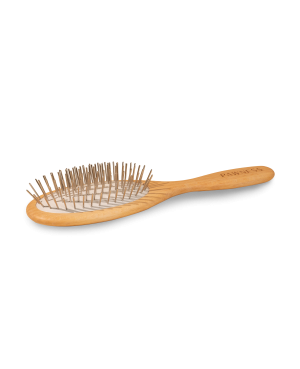
Intensive coat care is unavoidable with some breeds. A Collie needs regular brushing to keep its coat healthy. Crossbreeds often need less maintenance than purebred dogs.
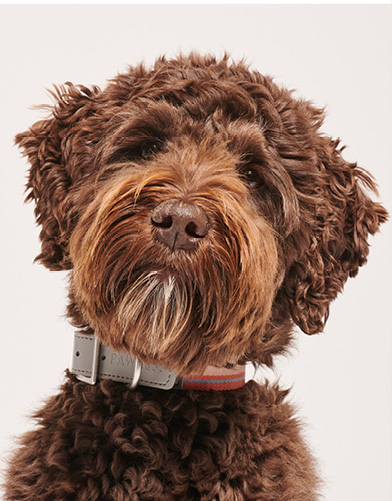
Do you have the time and budget for professional grooming? Some types of dog, such as Poodles and Labradoodles, need to go to the groomer every 6–8 weeks. These are important things to think through in advance. Neglecting the coat can lead to painful matting and skin problems.
Allergies and health
Does anyone in your household suffer from dog allergies? In that case, hypoallergenic breeds such as the Poodle or Labradoodle are better options. These dogs shed less hair and produce fewer allergens.
Also pay attention to breed-specific health issues. Large breeds can develop hip problems, while small breeds may have other issues. Make sure you’re well informed about possible health risks. A healthy dog means lower vet costs and more years together.
Understanding temperament
Every breed has its own character. Terriers are often headstrong and energetic, while companion dogs are more people-oriented. A Border Collie is intelligent but needs an experienced owner.
Many behaviours are genetically determined. Herding dogs tend to herd, which can show up as “gathering” family members. Bred for specific tasks, many breeds retain these instincts. It’s important to respect these natural traits and take them into account.
Looking more closely at popular breedsThe most popular dog breeds in the Netherlands are not always the best choice for everyone. A Labrador is friendly but needs lots of exercise. The Beagle is social but can bark a lot.Popular breeds such as the German Shepherd require experienced owners. These herding dogs are loyal but need clear leadership. Their personality is complex and powerful. Popularity does not automatically mean a breed suits your situation.Puppy or adult dog?Getting a puppy means months of intensive training and raising. Puppies are adorable but require a lot of attention and patience. An adult dog already has a formed character and is often calmer.
A puppy from a reputable breeder usually has a better start. But shelter dogs can also become fantastic companions. Their behavior is often already known at the shelter. Also consider senior dogs – they need less exercise but can still offer years of companionship.
Exploring breed groups
Breed groups help you understand different traits. Herding dogs are intelligent and active, companion dogs are social and affectionate, terriers are brave and determined.
Each group has specific needs. Herding dogs need mental challenge, companion dogs want plenty of company, and terriers are often more independent by nature. By understanding the breed groups, you gain better insight into what you can expect from different breeds.
Budget and costs
A dog costs more than just the purchase price. Think about food, vet bills, grooming, and toys. Large breeds eat more; small breeds often live longer. Purebred dogs can be more expensive to maintain.
Sometimes people choose a purebred dog because of specific traits. But crossbreeds can also make wonderful pets and are often healthier and cheaper. Calculate the total cost for your dog’s entire life in advance – this can add up to several thousands of euros
Training and education
Some breeds are easier to train than others. Border Collies learn quickly but also get bored quickly. Beagles are friendly but can be stubborn during training.
You can influence behaviour through good training, but a breed’s basic character largely remains the same. Choose a breed whose natural traits match you. Consistency and positive reinforcement are essential, regardless of which breed you choose.
Finding the right breeder
If you choose a purebred dog, a good breeder is essential. Check health tests, visit the litter, and meet both parents. Good breeders test for hereditary conditions.
A serious breeder will also ask you questions. They want to know whether their puppies are going to good homes. This shows their commitment to the welfare of their animals. Avoid puppy mills and never impulsively buy a puppy online without seeing the parents and living conditions.
Conclusion: Making the best choice
Which dog suits me? The answer lies in honest self-reflection. Analyse your lifestyle, family situation, and expectations. A dog that fits how your life looks will become a friend for life.
Take your time with this decision. Visit different breeds, talk to owners, and do thorough research. Choosing the right breed means years of happiness and companionship with your new friend. A dog is not an impulse purchase, but a family member who deserves attention, love, and care.
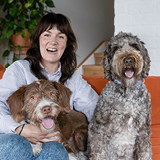
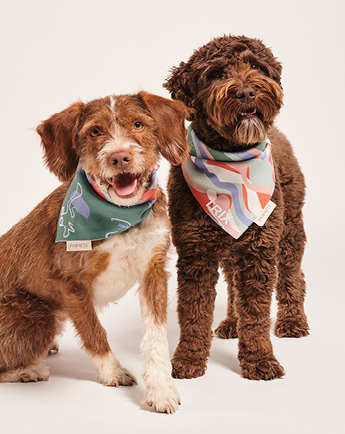
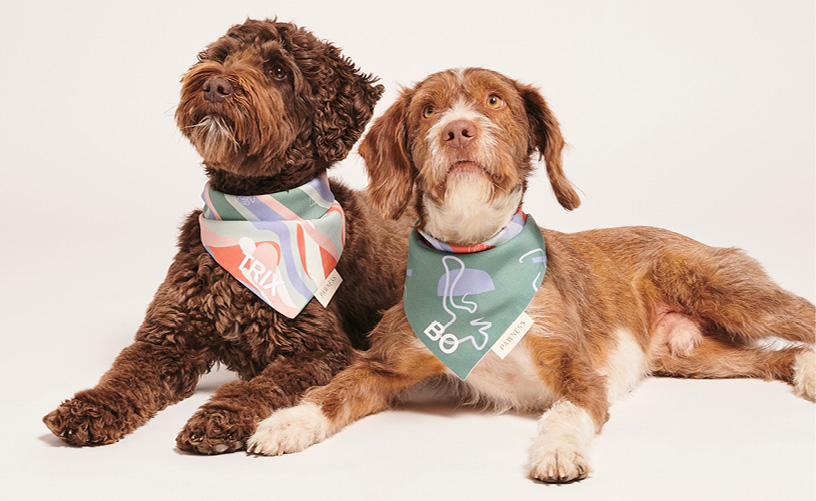
I’m Denise, the founder of Pawness. The company was born out of my love for my dog, Bo, and my search for fair, beautiful products for dogs. I believe that every choice matters: for your dog, for the planet, and for the people behind the products. Through these blogs, I help puppy parents make more conscious choices—without making it complicated.