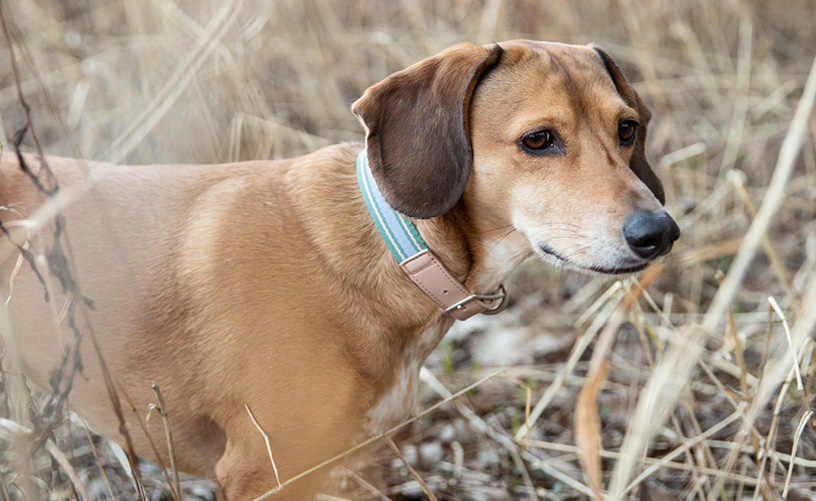
Travelling with a dog is becoming more and more common, and that’s no surprise. More and more people see their pet as a full-fledged family member and don’t want to leave their four-legged friend behind during holidays. Whether you’re going on vacation with your dog within the Netherlands or travelling abroad, good preparation is essential. This comprehensive guide helps you plan a stress-free trip with your loyal companion, whether you travel by car, train, or even by plane. The trend of taking pets on trips is growing exponentially, partly due to growing awareness that dogs are social beings who benefit from new experiences and environments.
Preparation: the foundation of successful travel with your dog
Before your dog joins you on a trip, thorough preparation is crucial. Start at least six to eight weeks before departure by gathering the necessary documents. The European pet passport is mandatory for travel within the EU and contains all important information about your pet, including identification details, vaccination history, and health certificates. Make sure all vaccinations are up to date, especially a valid rabies vaccination, which must be administered at least 21 days before departure. Ask your local veterinarian about specific requirements for your travel destination, as regulations can vary significantly by country. Create a checklist with all the necessary documents, medication, food, and accessories so you don’t forget anything. Also schedule a visit to the vet for a general health check to ensure your dog is fit enough to travel.
Documentation and vaccinations: what you absolutely need
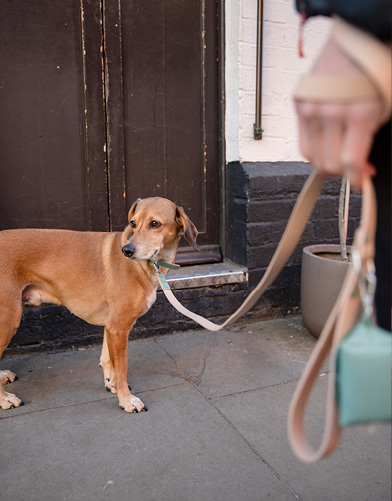
The pet passport serves as the basis for all travel documents for your dog and must always be current and complete. This passport must be clearly legible and include all required vaccinations, with the date of administration and the licensed veterinarian’s signature. Rabies vaccination is mandatory for all trips outside the Netherlands, and the first dose must be given at least 21 days before departure to be effective. Different rules apply to animals younger than three months, as they often have not yet received all necessary vaccinations, and additional requirements such as quarantine measures may apply. Some countries have additional rules for certain dog breeds, especially so-called dangerous dog breeds such as Staffordshire terriers, pit bulls, or Rottweilers. In addition to vaccinations, treatments against parasites may also be mandatory, depending on your destination. Always keep copies of all documents in multiple locations and stored digitally in the cloud.
Travelling within the EU: European rules and regulations
Within the EU, general rules apply to taking pets across borders, but these can vary in specific details from country to country. The European pet passport is mandatory, as is a valid rabies vaccination that is at least 21 days old. For travel to European countries, requirements are usually similar, but some countries may impose additional conditions related to specific health measures. France, for example, has strict rules for certain breeds and sometimes requires additional documentation. Ireland and other European countries may have specific regulations for importing pets, including mandatory deworming treatments. Always ask your vet about the exact requirements for each country you will be visiting, because even within the European Union, regulations can differ significantly per destination. Some countries also require a health certificate that is no more than 10 days old at the time of departure.
Travelling outside the EU: additional precautions
When your trip takes you outside the EU, the requirements become significantly more complex and time-consuming. Countries such as Switzerland and the United Kingdom have much stricter rules and longer procedures. A health certificate from a licensed veterinarian is often mandatory and must be issued by an officially accredited vet within 21 days before departure. For some destinations, additional parasite treatments are required, such as those for tapeworms, fleas, and ticks. Other requirements may include quarantine periods ranging from several days to several weeks, or specific rabies tests that must be conducted by accredited laboratories. Some countries also require an import permit that must be applied for months in advance. The costs of these procedures can add up significantly, so make sure to budget generously.

Modes of transport: car, train, and plane
Travelling by car
Driving is often the most comfortable and flexible way to take your dog on holiday. Use a good, certified travel crate or safety harness that meets road safety requirements. Plan regular stops every 2–3 hours for water, exercise, and toilet breaks. Familiar food from home and known treats help keep your dog calm during long journeys and prevent stomach problems caused by sudden changes in diet. Ensure proper ventilation and temperature control in the car, and never leave your dog alone in a parked car, especially in warm weather. Bring plenty of water and a portable drinking bowl for the road.
Travelling by train with your dog
For train travel, specific rules apply per carrier, which can differ between countries and rail companies. Small dogs can usually travel for free in a carrier that fits under the seat, while larger dogs often need a separate ticket that may range from 50% to the full fare. Dogs must always be kept on a leash and are not allowed on seats unless you have reserved a special pet compartment. Some trains have dedicated pet-friendly carriages with extra space and facilities. Always reserve in advance and inquire about your train operator’s specific ruless
VFlying with your dog
Flying with your dog requires the most preparation and planning, often months in advance. Dogs with short snouts (brachycephalic breeds) often face additional challenges due to breathing difficulties at higher altitudes and during temperature fluctuations. Always check your airline’s specific rules and book well in advance, as there is usually a limited number of pets allowed per flight. Small dogs can sometimes travel in the cabin in an approved carrier, while larger dogs must travel in the cargo hold in a special transport crate.
Accommodation: hotels, holiday parks, and campsites
Not all types of accommodation accept pets, so it is essential to book in advance and explicitly mention that you are bringing a dog. Many hotels offer special pet-friendly rooms with hard floors instead of carpet, but may charge extra fees ranging from €10 to €50 per night. These rooms are often located on the ground floor for easy access to outdoor areas. At campsites, dogs are usually welcome but must be kept on leashes in public areas, and there are often designated dog-walking zones. Holiday homes often provide the most freedom and privacy, but always check the pet policy and any restrictions regarding the number or size of animals. Some accommodations also charge an additional deposit to cover potential damage.

Special considerations for different dog breeds
Certain breeds require extra attention and precautions during travel due to their specific characteristics. Dogs with flat noses, such as bulldogs, pugs, and Boston terriers, can have difficulty with temperature changes and altitude differences, making them particularly vulnerable to breathing problems. Some dog breeds are on restricted lists in certain countries or with certain airlines due to legislation concerning dangerous dogs. Large breeds need more space and may incur higher transport costs. Always check the specific rules for your dog’s breed at your destination and with your transport provider. Older dogs or dogs with health issues may also require additional medication or care during the trip.
Practical tips for a stress-free trip
Pack a comprehensive travel bag with all essentials: enough food for the entire trip plus extra, water, favourite toys, medication, a complete first aid kit, and familiar blankets or cushions with known scents. Keep your dog calm by maintaining familiar routines as much as possible, such as regular feeding times and walking schedules. For long trips, regular breaks are essential—plan a stop of at least 15–20 minutes every 2–3 hours. Make sure your dog stays well hydrated, but avoid giving too much water immediately before departure to prevent accidents. Start with short practice trips a few weeks before your holiday to help your dog get used to travelling. Always carry a recent photo of your dog in case you become separated.
Health and safety on the road
Constantly monitor your dog for signs of stress, discomfort, or illness, such as panting, drooling, trembling, vomiting, or lethargy. Keep the contact details of veterinarians along your travel route on hand, including 24/7 emergency clinics. If you notice signs of illness, seek medical help immediately and don’t wait for the situation to worsen. Ensure proper temperature control in the car and avoid leaving your dog in a hot vehicle, even for a short time. Bring a thermometer to check your dog’s body temperature. If you see symptoms of overheating such as excessive panting, immediately seek shade and cooling. Make sure your dog always wears an ID tag with up-to-date contact details.
Returning to the Netherlands: what you need to know
Upon returning to the Netherlands, there are usually no additional requirements if you have travelled within the EU, but always check the most recent regulations. For travel from outside the EU, additional checks may be carried out by the Netherlands Food and Consumer Product Safety Authority (NVWA), including document checks and, in some cases, veterinary inspections. Keep all travel documents and vaccination records safe throughout the trip and after your return. Some countries require a health certificate for re-entry that is no more than 10 days old. Allow extra time for customs checks, especially at airports where pet documentation receives extra attention.
Costs and budgeting for travelling with your dog
Travelling with a dog comes with high additional costs that are often underestimated. Airfare for pets can range from €50 to €500, depending on your destination and your dog’s size. Accommodation surcharges typically range from €10–50 per night. Additional fuel for frequent stops, special transport equipment, and possible quarantine costs can add up to hundreds of euros. Also budget for unexpected veterinary expenses during your trip, which can be considerably higher abroad than in the Netherlands. Many insurance policies do not cover treatment abroad, so consider taking out special travel insurance for pets. Documentation costs such as health certificates and extra vaccinations can also add up to €100–200.
Conclusion: Enjoying unforgettable moments together
With thorough preparation and proper planning, travelling with a dog becomes an unforgettable adventure for both of you. Whether you choose a relaxing weekend getaway in the Netherlands or an exciting trip abroad, your four-legged friend will enjoy the new experiences, smells, and environments. Always follow the rules and requirements of your destination carefully and cherish the special bond that grows as you explore new places together. A well-prepared trip not only creates unforgettable memories with your loyal travel companion but also strengthens the trust and connection between you. With the right preparation, every journey becomes a successful adventure you can share and treasure together.

I’m Denise, the founder of Pawness. The company was born out of my love for my dog, Bo, and my search for fair, beautiful products for dogs. I believe that every choice matters: for your dog, for the planet, and for the people behind the products. Through these blogs, I help puppy parents make more conscious choices—without making it complicated.