Never wash a matted dog. That is the shortest and most honest answer to a question many dog owners ask when their dog looks a lot messier than they would like. Water and shampoo do not solve matting. They make it worse. In this article, we explain why that happens, what does work, and how to prevent your dog’s coat from getting to that point in the first place.
This article is written for anyone with a dog with a long coat or a double coat that is prone to tangles. Whether you are just starting to learn about coat care or want to improve your routine, after reading this, you will know exactly how to keep your dog’s coat healthy.
Why you should never wash a matted dog
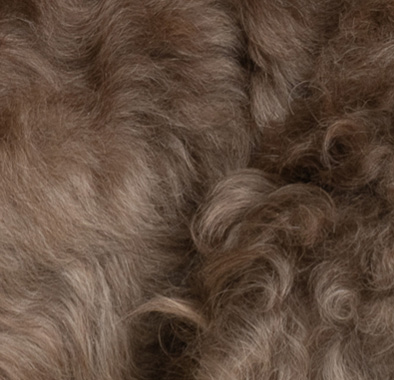
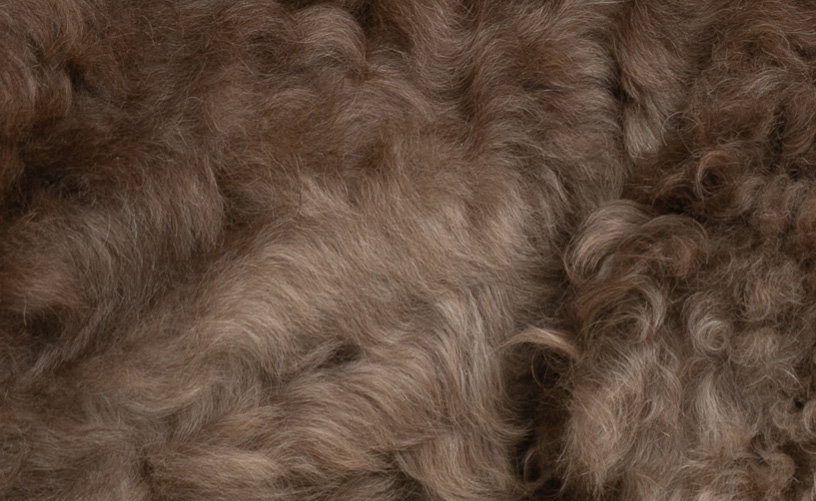
The reason is simple, but the consequences can be serious: water tightens tangles. When you wet a matted coat, the clumps shrink and become tighter and more compact than before. Light matting that could still have been brushed out before washing often becomes impossible to treat afterwards without scissors or clippers.
Severe matting also pulls on the skin. This is painful for your dog and restricts airflow underneath the coat. Areas that sit close to the skin can hide skin problems such as infections, irritation, or parasites like fleas. Because the coat is packed so tightly together, these spots are difficult to inspect and treat. A matted coat is therefore not just an aesthetic problem. It is a welfare issue.
What happens if you wash anyway
When you wash a dirty dog without brushing through the coat first, you risk making the situation worse after the bath than it was before. The wet dog you want to dry now has matting so tight that even towel-drying can pull on the tangles and make the pain worse.
The skin also has its own natural oil layer, which works as a protective barrier. That layer is sensitive to the pH value of the shampoo you use. If you use regular shampoo or other shampoos not made for dogs, you further disrupt the skin. The different pH value of human shampoo is too harsh for a dog’s skin and can lead to flakes, a dry coat, and skin problems you want to avoid. Always use a suitable dog shampoo with a neutral pH value, matched to your dog’s coat type.
How to deal with matting before washing
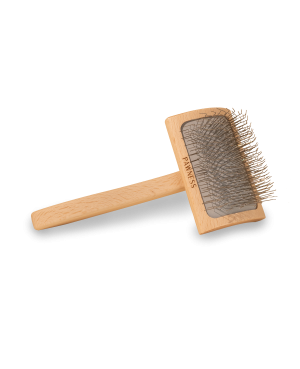
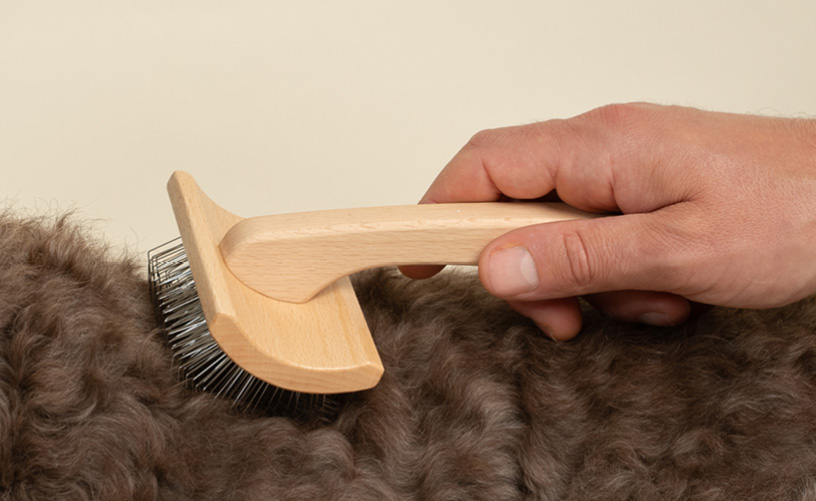
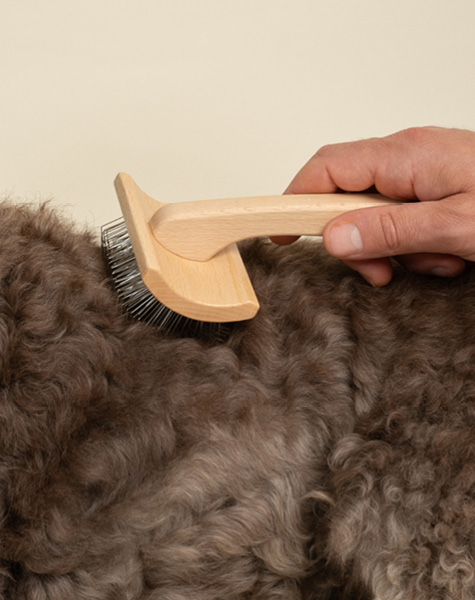
The right order is always: brush first, wash after. Always remove matting before a bath. With light tangles, you do this by working patiently in sections with a good brush. The Curved Slicker Brush by Pawness is designed for this. Its curved shape follows the contours of the body and also reaches tricky areas. Always work from the ends of the coat towards the roots, never the other way around, to put as little strain on the skin as possible.
With severe matting that cannot be loosened by brushing or combing, the only safe option is to visit a professional groomer or veterinarian. A groomer can cut or shave out tangles without damaging the skin. Never try to do this yourself if you lack experience. A dog’s skin sits very close to the coat and is delicate.
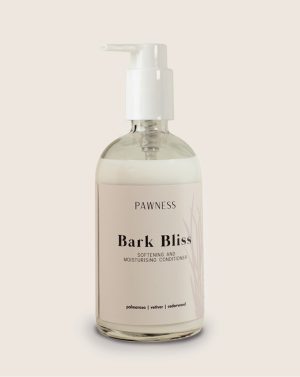
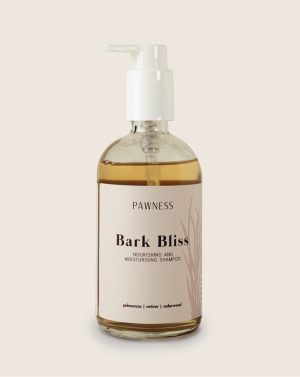
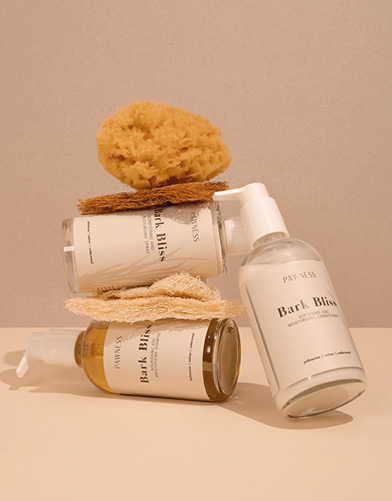
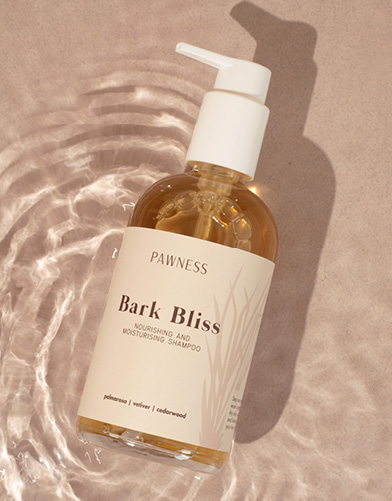
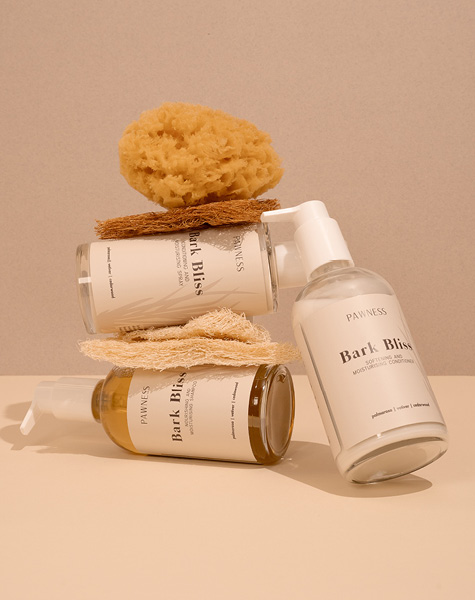
Once the coat has been brushed out and is free from tangles, you can wash your dog calmly. A special dog shampoo, such as the Bark Bliss Shampoo by Pawness, is made for regular use and respects the skin’s natural balance. Follow washing with the Bark Bliss Conditioner to smooth the hair shaft and make the coat easier to comb after drying.
Regular brushing as the basis of coat care
Regular brushing is the most effective way to prevent matting. For dogs with long coats or double coats, this ideally means brushing daily or every other day. That may sound like a lot, but a short brushing session of five to ten minutes is often enough to keep the coat loose. The more regularly you brush, the faster it becomes. A loose, well-maintained coat offers very little resistance.
For dogs with an undercoat, such as Samoyeds, Australian Shepherds, or Bernese Mountain Dogs, brushing is also important to remove loose undercoat. Built-up dead hair is one of the main causes of matting in this coat type. Use a comb or slicker brush that reaches deep enough into the undercoat.
Areas that need extra attention in long coats
In dogs with long coats, there are specific areas where tangles form faster than elsewhere. These are the areas where friction happens: behind the ears, under the armpits, between the back legs, and around the tail. Pay extra attention to these zones during every brushing session, because this is where matting starts most quickly.
When your dog is dirty after a muddy walk, it is tempting to go straight to the shower. Do not do this before checking the coat. Let the mud dry first and then remove it with a brush. Dry mud usually comes out of the coat on its own, taking most of the dirt with it. If anything is left afterwards, a dry wipe or a short, targeted wash with the right shampoo is often enough.
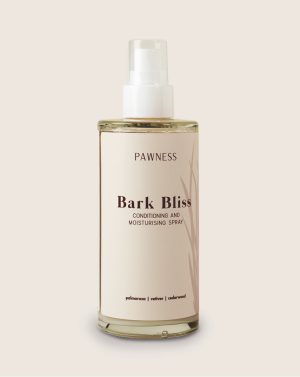
The Bark Bliss Conditioning Spray by Pawness is useful as support during brushing and detangling. A light spray on the coat makes the hair softer and smoother, reducing resistance when brushing and making it easier to loosen early tangles.
Washing your dog: how often is enough
A dog needs to be washed less often than many people think. Unless your dog is very dirty or has skin that needs extra care, once every four to six weeks is enough for most dogs. Washing more often than necessary removes the skin’s natural oil layer, which can lead to a dry coat and skin irritation.
The frequency depends heavily on the coat type, your dog’s lifestyle, and any skin issues. A dog that spends a lot of time outdoors and regularly goes into the water has different needs from an indoor dog. A veterinarian or groomer can advise you on the right washing frequency for your specific dog.
Wash with lukewarm water, a suitable dog shampoo matched to the coat type, and plenty of patience. Make sure you rinse the coat thoroughly. Shampoo residue can cause skin irritation. Drying is preferably done with a towel first, then with a hairdryer on a low setting, while brushing through the coat. This helps prevent the wet coat from drying into compacted clumps.
A fixed grooming routine as a long-term solution
Healthy skin and a tangle-free coat are the result of consistent care, not occasional intense grooming sessions. By building a fixed grooming routine with regular brushing, periodic coat checks, and washing at the right time, you keep matting under control early, before it becomes a problem.
This is especially true for dog breeds with long, dense, or curly coats. For these dogs, coat care is not an afterthought but a weekly task that comes with responsible ownership. See it as part of the routine, just like daily feeding or regular walks. Start early with young dogs so they get used to it, and keep sessions positive and short.
A good set of grooming tools helps with this. A brush that suits the coat type, a comb for tricky areas, and a conditioning spray for daily use form a solid foundation. The easier the routine feels, the more often you will do it and the healthier your dog’s coat will stay.
Sources
- Whole Dog Journal: Matted dog coat: What to do and how to prevent it (wholedogjournal.com)
- American Kennel Club — How to Groom a Dog: A Step-by-Step Guide (akc.org)
- PDSA (People’s Dispensary for Sick Animals) — Grooming your dog (pdsa.org.uk)
- VCA Animal Hospitals — Bathing Your Dog (vcahospitals.com)
- Nederlandse Dierenbescherming — Vachtverzorging adviezen voor hondenrassen (dierenbescherming.nl)
I’m Denise, the founder of Pawness. The company was born out of my love for my dog, Bo, and my search for fair, beautiful products for dogs. I believe that every choice matters: for your dog, for the planet, and for the people behind the products. Through these blogs, I help puppy parents make more conscious choices—without making it complicated.