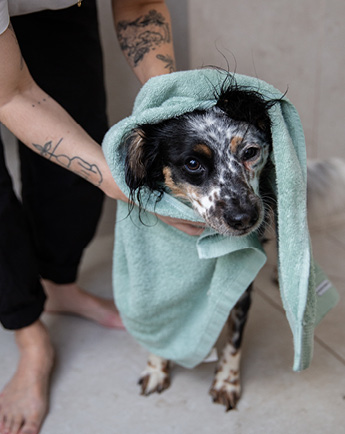
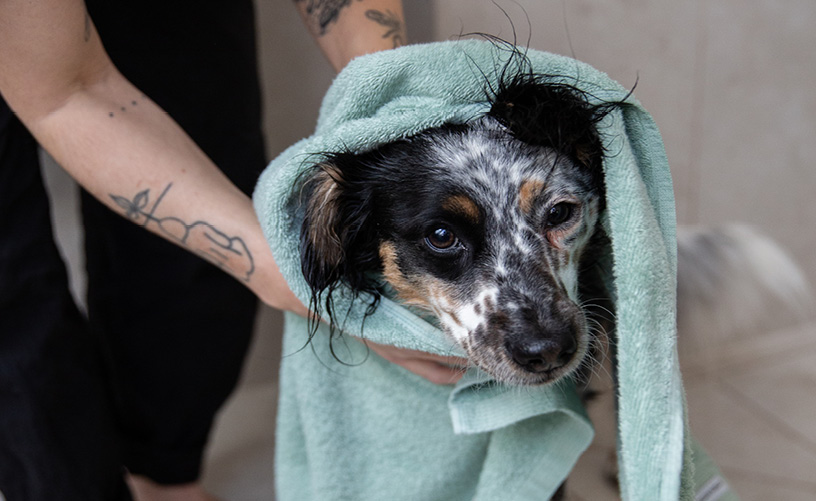
Winter calls for extra attention when it comes to caring for your dog. Cold temperatures, a wet coat, and snow can all cause discomfort. With a good winter dog care routine, your dog stays healthy, safe, and nice and warm. In this blog, you’ll discover how a few simple adjustments can create a winter coat ritual that works for every type of dog.
Long hair? How to keep the coat tangle-free
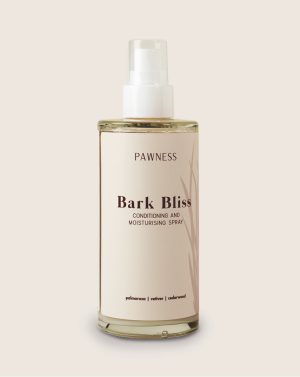
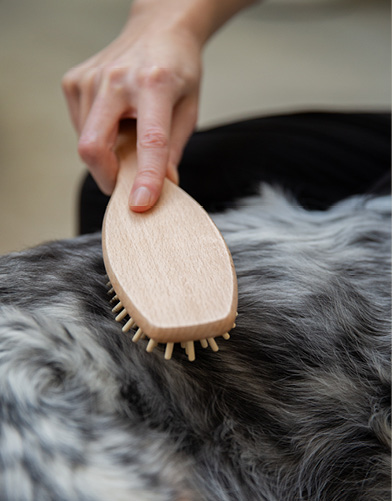
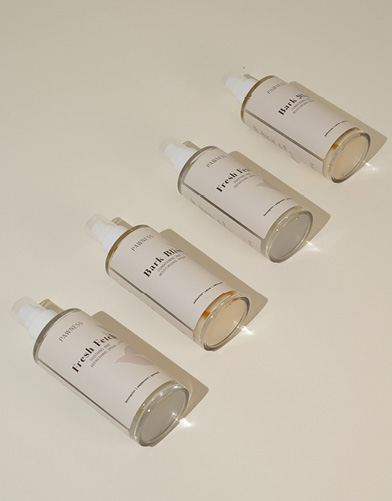
Dogs with long hair need extra care in winter. A wet coat and snowballs quickly lead to tangles. Brushing is therefore essential. After cleaning, use a nourishing spray such as Bark Bliss; it makes brushing easier and helps prevent hair from matting. Don’t forget to give extra attention to the areas where snowballs tend to form, such as between the toes and behind the ears. Even for dogs with a thick winter coat, regular brushing is important to remove loose hairs and keep the coat healthy.
Good dog care starts with cleaning
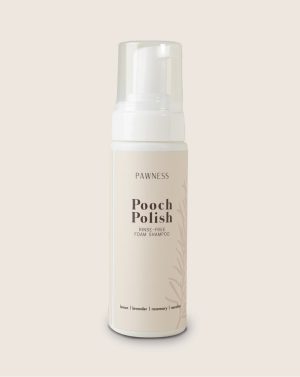
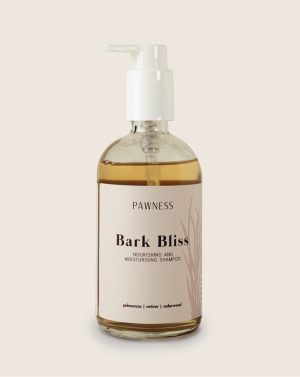
A wet coat insulates less effectively and can lead to hypothermia. Start your routine with Pooch Polish dry shampoo. Massage the product into your dog’s coat, towel dry afterwards, and your dog will be clean and dry in no time. This prevents your dog from staying wet and cold after a walk. This is especially important for dogs with thin coats or older dogs. Also consider using a damp cloth for the paws and between the toes so that salt and dirt don’t get a chance to irritate the skin.
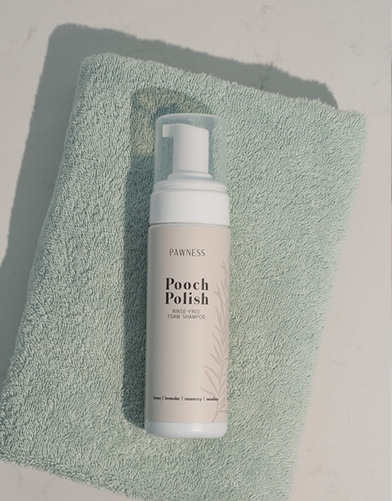
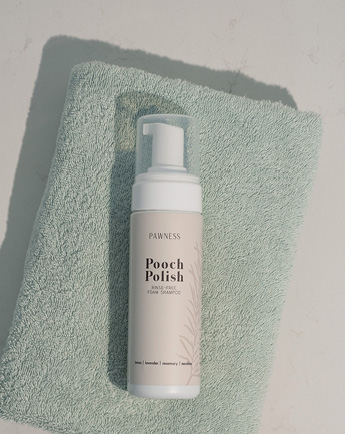
Foam Droogshampoo – Pooch Polish
Wet dog? How to dry safely and quickly
After rain, snow, or a brisk walk, your dog may be soaked. Use a damp cloth or lukewarm water to remove mud. Dry thoroughly, especially with older dogs or small breeds. A dry coat is essential to keep your dog safe and healthy. Be aware that damp spots on the skin can cause discomfort or skin issues. Always check the paw pads and between the toes, as that’s where most moisture and dirt tend to accumulate.
Eating snow: Why it’s dangerous for dogs
Many dogs eagerly snap at snow during walks. However, eating snow can cause digestive issues such as diarrhoea and vomiting. In large amounts, it can be extremely toxic, as in road salt or antifreeze. Make sure your four-legged friend doesn’t ingest too much snow. Eating snow can also contribute to hypothermia and extra moisture in the intestines, which can trigger stomach and bowel problems. Some dogs even develop vomiting or diarrhoea from eating snow mixed with dirt or road salt. So keep a close eye on your dog during winter walks.
Keep moving, even on cold days
Exercise remains important, even when temperatures drop. Staying active promotes good circulation and helps the winter coat maintain its insulating effect. Go for shorter walks when it’s very cold, but make sure your dog stays comfortably warm. Regular movement also supports healthy digestion and helps prevent stiffness in older dogs. For small breeds or dogs with a thin coat, a dog jacket can provide extra warmth during walks.
Keep your dog healthy with extra care and nutrition
Dogs often need extra support in winter. Think of high-quality food with natural fats to support a strong skin and coat. Consider feeding a little more if your dog spends a lot of time outdoors. Regularly check for small wounds or dry patches on the skin. Extra nutrition and support are especially important for active dogs and those with thin coats. A dog that eats well maintains a healthy weight more easily and has more energy to stay warm. When in doubt, always consult your vet about the right nutrition in winter.
Your dog in winter: Protection against cold and road salt
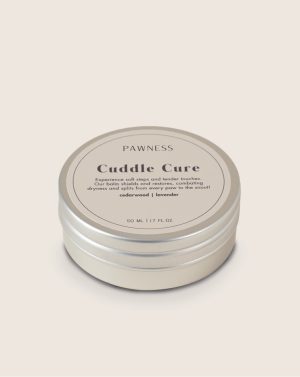
Short-haired dogs, small breeds, and older dogs are more sensitive to low temperatures. Protect paws and paw pads with petroleum jelly or a special balm such as Cuddle Cure. This helps prevent wounds from road salt, snow, and ice. Always check between the toes for clumps of snow and salt. Even dogs with a thick or long coat can suffer from salt residue; rinse their paws with lukewarm water after every walk. This helps prevent irritation and discomfort.
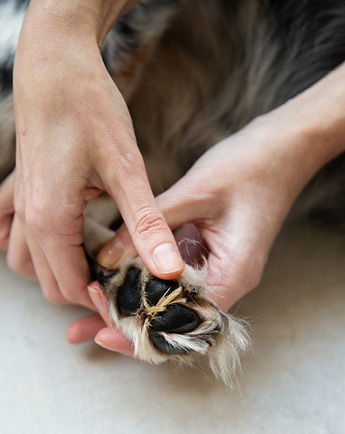
Extra attention for between the toes and paw pads
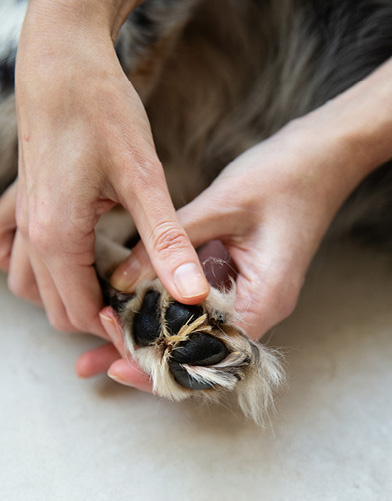
Snow, ice, and road salt can quickly build up between the toes. After every walk, check your dog’s paws, remove snowballs, and rinse with lukewarm water. This helps prevent irritation, wounds, and discomfort. Finish by massaging a nourishing balm into the paw pads to keep them soft. Keep in mind that wounds can develop quickly, so check regularly for any damage. If you notice wounds or persistent irritation, it’s best to contact your vet.
Cold days? Create a warm, safe spot
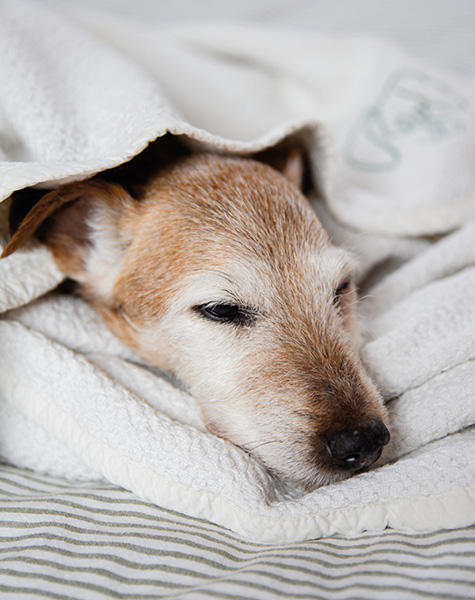
On cold days, a warm spot indoors is essential. Make sure your dog can dry off and rest in a safe place away from drafts when you get home. Extra warmth from a blanket or a cosy bed helps keep your dog nice and warm. Older dogs and dogs with a thin coat especially benefit from a warm resting place. A warm spot supports recovery and helps prevent hypothermia. A warm, safe place also gives your dog a sense of comfort and security.
A safe space for relaxation and recovery
After a walk, it’s important that your dog can truly relax. Give extra attention to unwinding, check the coat for tangles, and inspect the skin for wounds. If you’re unsure or notice serious symptoms, always consult your vet. Dogs love a fixed routine: it helps them feel safe and relaxed. A dedicated spot in the house where your dog can retreat contributes to their well-being throughout the winter.
Prevent discomfort with a consistent routine
A consistent winter dog-care routine helps prevent discomfort and keep your dog happy. Dogs thrive on predictability. By following the same steps every day, you can be sure your dog is well cared for and feels safe, even on the coldest days. Combine brushing, cleaning, care, and relaxation into one long, loving routine.
Winter coat and extra support
Your dog’s winter coat provides extra warmth but also needs extra care. Brush regularly to remove loose hairs and tangles. Feed your dog a high-quality diet that supports a strong coat and healthy skin. This will help your dog stay healthy and better cope with the cold. Keep in mind that some dogs shed more during winter, so additional brushing is anything but a luxury.
Watch for signs of cold and hypothermia
Most dogs will show signs when they’re getting cold: shivering, walking more slowly, or searching for a warm place. In extreme cold or with a wet coat, the fur insulates less effectively. Keep a close eye on your dog and provide extra warmth when needed. Be alert to symptoms of hypothermia, such as pale gums, lethargy, or stiff muscles. When in doubt, move your dog to a warm place and contact your vet.
Extra food and exercise in winter
Some dogs need extra food in winter, especially if they spend a lot of time outdoors or are very active. Additional nutrition provides enough energy and helps maintain body temperature. Exercise remains important in winter to support a healthy weight and good digestion. Don’t let your dog sit still for too long after a walk; give them the chance to warm up and have something to eat or drink.
Protect ears, nose, and pawsIt’s not just the coat that needs extra attention in winter; your dog’s ears, nose, and paws do too. Protect the nose with a balm and check the ears regularly for wounds or irritation. Rinse the paws after every walk and dry them thoroughly. Especially in snow and ice, it’s important to protect the skin from dryness and cracks.
Natuurlijke verzorging voor elke hond
Gebruik altijd natuurlijke producten voor de verzorging van je hond. Vermijd producten met agressieve stoffen of parfums die de huid kunnen irriteren. Natuurlijke vetten in voeding en verzorging dragen bij aan een gezonde huid en vacht. Kies voor producten die speciaal ontwikkeld zijn voor honden, zodat je zeker weet dat je viervoeter veilig en gezond blijft.
De 5-stappen verzorgingsroutine voor drukke hondenbezitters
Wil je snel en efficiënt zorgen voor je hond in de winter? Met deze vijf eenvoudige stappen is jouw viervoeter in slechts vijf minuten fris, verzorgd en winterklaar.
Stap 1: vacht reinigen
Pomp Pooch Polish op je handen en masseer de foam door de vacht van je hond. Even inmasseren, daarna met een handdoek droogwrijven. Geen water nodig, geen gedoe – zo is je hond in een paar seconden schoon, fris en droog.
Stap 2: verzorgen en ontklitten
Spray Bark Bliss over the coat. It nourishes the fur and makes brushing easier. It’s especially ideal for long-haired dogs or a wet coat to remove and prevent tangles.
Step 3: Brush
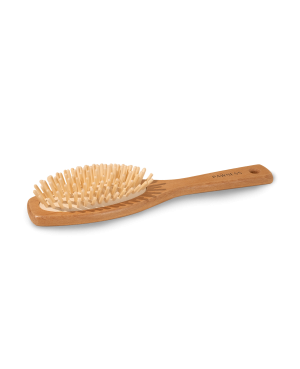
Now that the coat is nourished and supple, you can brush through all the hairs with ease. This removes loose hairs, tangles, and dirt. Brushing is essential for any winter dog care routine.
Lees meer over onze borstelcollectie
Step 4: Care for paws and nose
Apply Cuddle Cure to dry paws and the nose. This keeps the paw pads soft and the nose hydrated, even on cold days with snow and road salt.
Extra tip: If there is a lot of road salt on the streets, apply the balm to the paws before your walk. This creates an extra protective barrier while walking.
Step 5: Signature scent
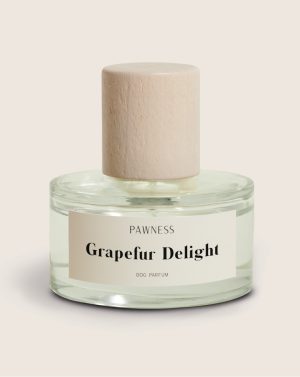
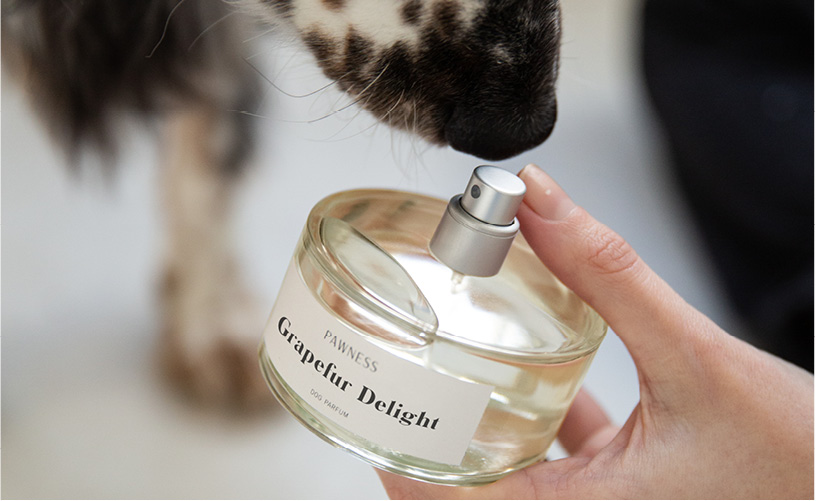
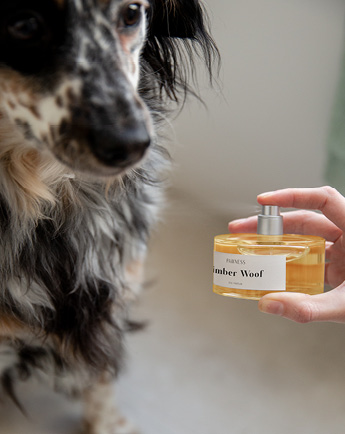
The finishing touch: choose Grapefruit Delight or Timber Woof perfume. Spray lightly for a lovely scent that won’t irritate the skin.
A healthy winter with Pawness
With this winter dog care routine, you’ll keep your four-legged friend healthy, safe, and happy. Turn care into a pleasant daily ritual so you can enjoy winter together, no matter how cold it gets! Do you have questions about products or routines? Just reach out – I’m happy to help. Together, we’ll make sure your dog stays in top condition all winter long!
I’m Denise, the founder of Pawness. The company was born out of my love for my dog, Bo, and my search for fair, beautiful products for dogs. I believe that every choice matters: for your dog, for the planet, and for the people behind the products. Through these blogs, I help puppy parents make more conscious choices—without making it complicated.